Solo Dining in Seoul 2026: Solo-Friendly Foods, Restaurants & Honbap Culture
Solo dining is common in Seoul, especially at restaurants serving single-tray meals, noodles, rice bowls, kimbap, and other one-person dishes. Korean barbecue and large shared dishes can still require a minimum order, so check the menu and table setup before sitting down. Look for counter seating, self-order kiosks, or one-person sets when you want the easiest honbap option.
Table of Contents
1. Korean Foods That Work Well for Solo Diners (Honbap Sets)
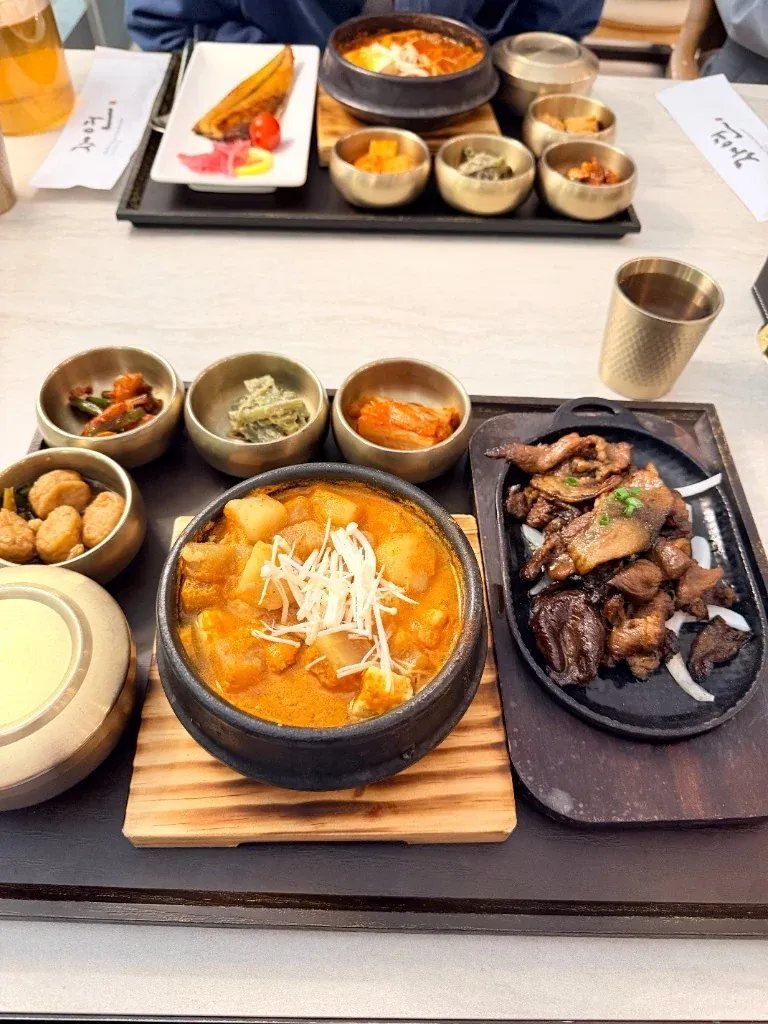
Certain traditional Korean dishes are naturally tailored for single portions and served on dedicated wooden trays:
| Dish Category | Popular Examples | Why It’s Solo-Friendly |
|---|---|---|
| Hot Stews (Jjigae / Tang) | Doenjang Jjigae, Sundubu-jjigae, Dwaeji Gukbap | Cooked individually in hot stone bowls (ttukbaegi) |
| Rice Bowls (Deopbap / Bibimbap) | Dolsot Bibimbap, Bulgogi Deopbap, Pork Cutlet | Complete single-bowl meal with side dishes |
| Baekban (Home-Style Set) | Grilled fish + soup + 5–6 side dishes | Balanced single-tray feast (Jeongsik) |
| Noodles (Myeon) | Kalguksu, Naengmyeon, Bibim-guksu | Fast, affordable, and served in individual large bowls |
2. Low-Stress Solo Havens: Bunsik, Kimbap & Noodle Bars
If you feel nervous about walking into a sit-down dining room alone, look for casual Bunsik (분식) diners or specialty street food houses:
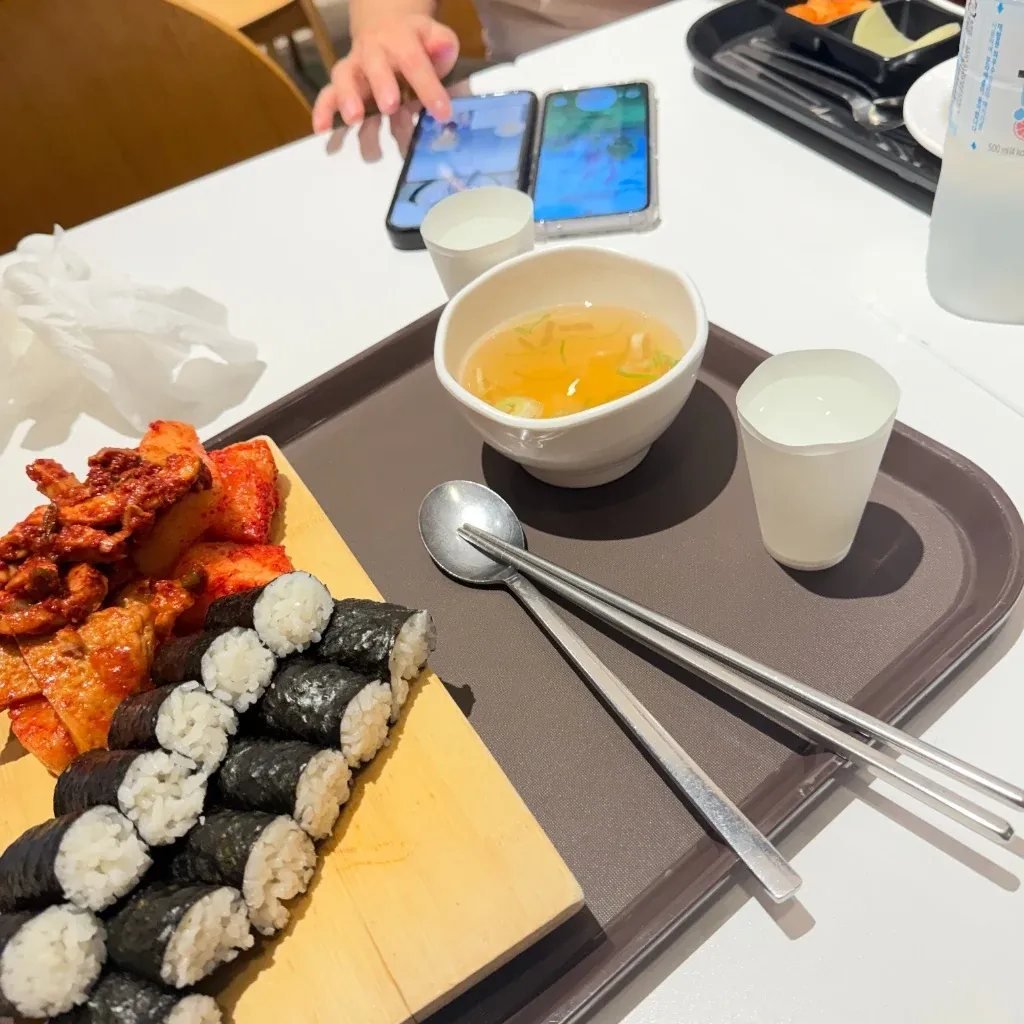
- Kimbap and Bunsik Spots: These casual diners typically serve kimbap, ramyeon, dumplings, and rice dishes. Customers frequently eat alone here during quick work breaks.
- Chungmu Kimbap & Tteokbokki: Finger-friendly bite-sized kimbap served with seasoned spicy squid and radish cubes is a quick, filling, and comfortable meal for one.
3. How to Spot Solo-Friendly Restaurants (Seating & Kiosks)
You can easily identify whether an eatery welcomes solo diners before even stepping inside:
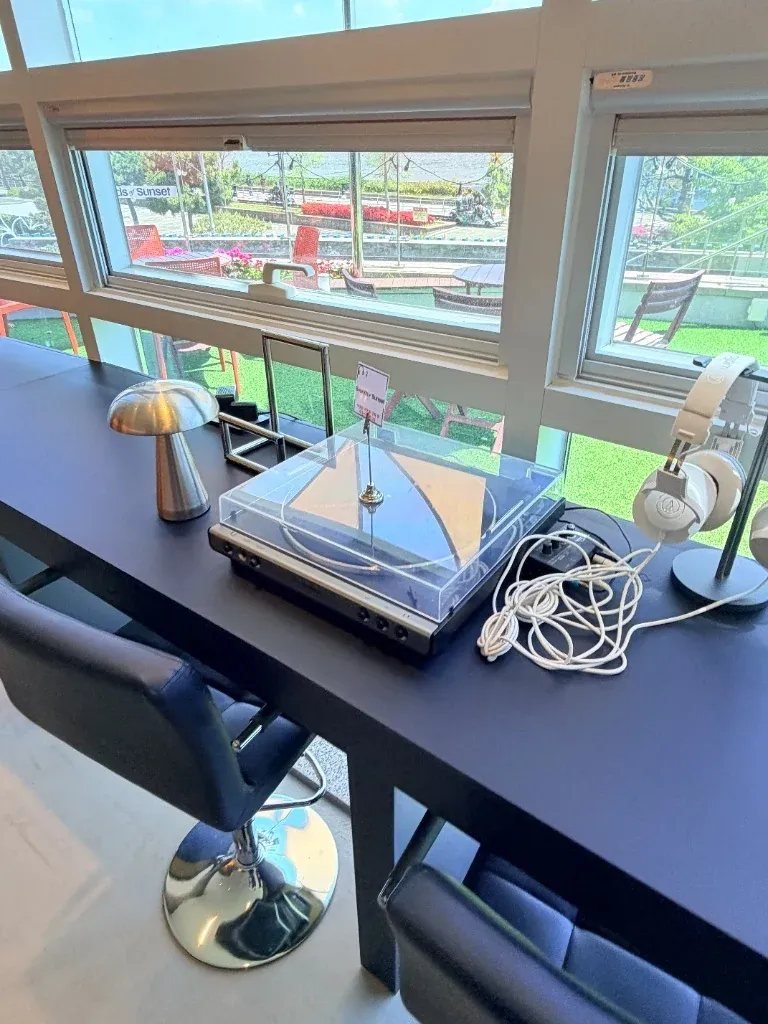
- Counter & Window Bar Seating (Bar Seats): Restaurants featuring long bar counters facing the open kitchen or outdoor street windows are specifically designed for individual diners.
- Small 2-Top Tables: Establishments packed with compact two-seater tables rather than large grill tables cater heavily to single diners and duos.
- Non-Peak Dining Hours: Visiting between about 1:30 PM and 5:00 PM usually improves your chances of finding a table, although policies and busy periods vary by restaurant.
4. Ordering Without Stress: Digital Kiosks & Department Food Halls
Modern ordering systems can reduce language barriers, although English support and payment options vary by venue. For step-by-step help, see our guide to ordering at Korean restaurants.
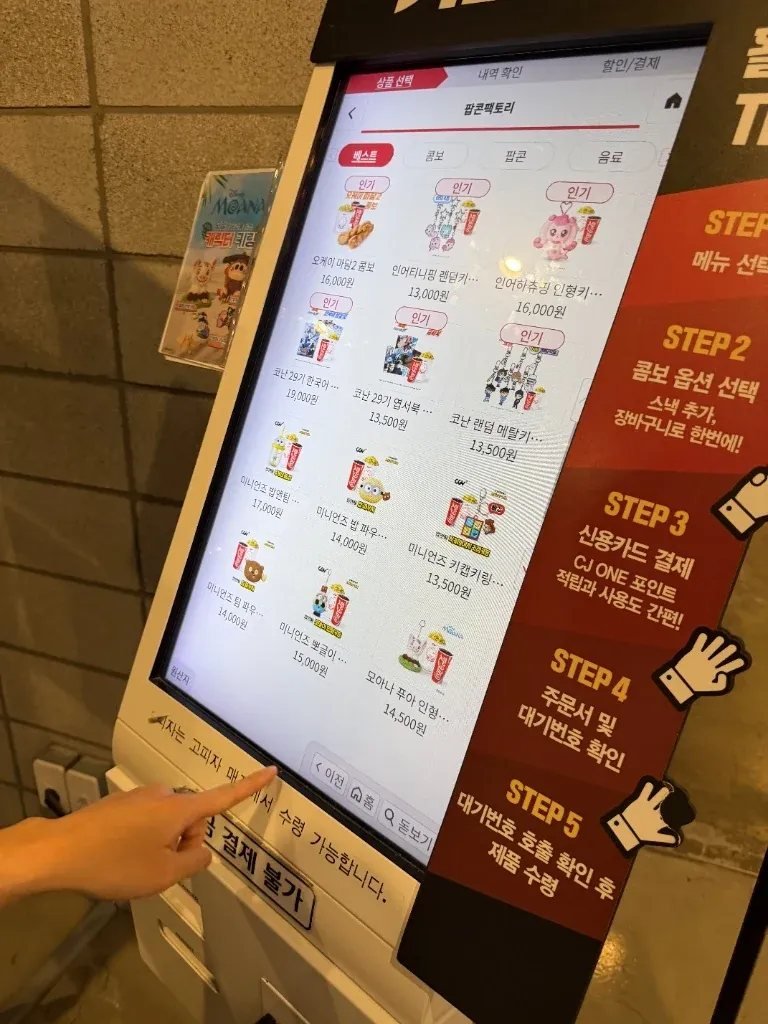
- Self-Service Touchscreen Kiosks: Fast-casual eateries, pork cutlet diners, and soup houses place self-service kiosks at the front entrance. Simply tap the English option, select your dishes, insert your credit card or WOWPASS, and grab a table while holding your receipt number.
- Department Store Food Courts (B1 Level): Underground basement floors of Hyundai, Lotte, and Shinsegae department stores host gourmet food halls. Every food vendor displays plastic food models and English menus, offering shared communal counter seating perfect for solo eaters.
5. Solo Korean BBQ Hacks: How to Eat K-BBQ Alone
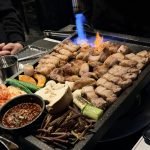
Traditional Korean BBQ restaurants often require a minimum order of two portions (2인분 / i-inbun) because preparing a tabletop grill for one guest involves the same setup as serving a group.
If you crave grilled pork belly (samgyeopsal) or marinated beef (galbi) alone:
- The 2-Portion Rule: Ask the host, “Honja-inde, i-inbun jumunhaedo doelkkayo?” (I am alone—may I order two portions?). Some restaurants may seat solo diners who meet the minimum order, but it is best to confirm before being seated.
- Find Solo-Friendly Grills: Ssada Gimbap is a bunsik chain, not a barbecue chain. Instead, search Naver Map for “혼밥 고기집” or “1인 화로구이,” then check recent reviews and confirm the restaurant’s minimum-order policy before visiting.
Frequently Asked Questions (FAQ)
Is it weird to eat alone in Seoul?
Not at all. The Honbap (eating alone) culture is widespread across South Korea. Commuters, students, and busy professionals eat alone daily in every neighborhood.
How do I say “Table for one” in Korean?
Say “Honja-ye-yo” (I am alone) or “Han-myeong-i-yo” (One person, please) when greeting the server.
What should I do if a restaurant refuses a single diner?
Occasionally during peak lunch rushes (12:00 PM – 1:00 PM), crowded BBQ or hot pot spots with large 4-top tables may decline solo diners. Simply visit after 1:30 PM or choose a nearby soup or noodle house.
Official reference sources:
- Korea Tourism Organization (VisitKorea) Dining Guide
- Seoul Metropolitan Government Food & Culture Portal