What to Pack for Korea by Season: Spring, Monsoon Summer, Fall & Winter
Pack for the month you land, not for “Korea”: April and January need very different suitcases.
Spring calls for layers, summer brings heat and heavy rain, autumn starts mild and ends chilly, and winter requires proper insulation.
Use this guide as a starting point, then check the forecast shortly before departure. Temperatures can shift quickly, especially in March, November, and during summer rain.
Table of Contents
Korea Seasonal Weather & Wardrobe at a Glance
| Season | Months | Approx. Seoul Low–High Range* | Wardrobe Strategy | Key Essentials to Pack |
|---|---|---|---|---|
| Spring | Mar – May | 2°C to 24°C (36°F – 75°F) | Breathable layers and light outerwear | Light jacket, sweater, sunglasses |
| Summer / Monsoon | Jun – Aug | 19°C to 30°C (66°F – 86°F) | Lightweight, quick-drying clothes | Portable fan, compact umbrella, shoes with grip |
| Autumn | Sep – Nov | 4°C to 27°C (39°F – 81°F) | Light layers early; warmer layers later | Jacket, sweater, scarf, walking shoes |
| Winter | Dec – Feb | -6°C to 5°C (21°F – 41°F) | Thermal layers and an insulated coat | Down coat, thermal base layers, gloves |
*These figures combine Seoul’s monthly average lows and highs. Heat waves and cold snaps can fall outside these ranges.
1. Spring (March to May): Mild Days & Chilly Evenings
Spring brings cherry blossoms and comfortable sightseeing weather, but the temperature can change considerably between afternoon and evening.
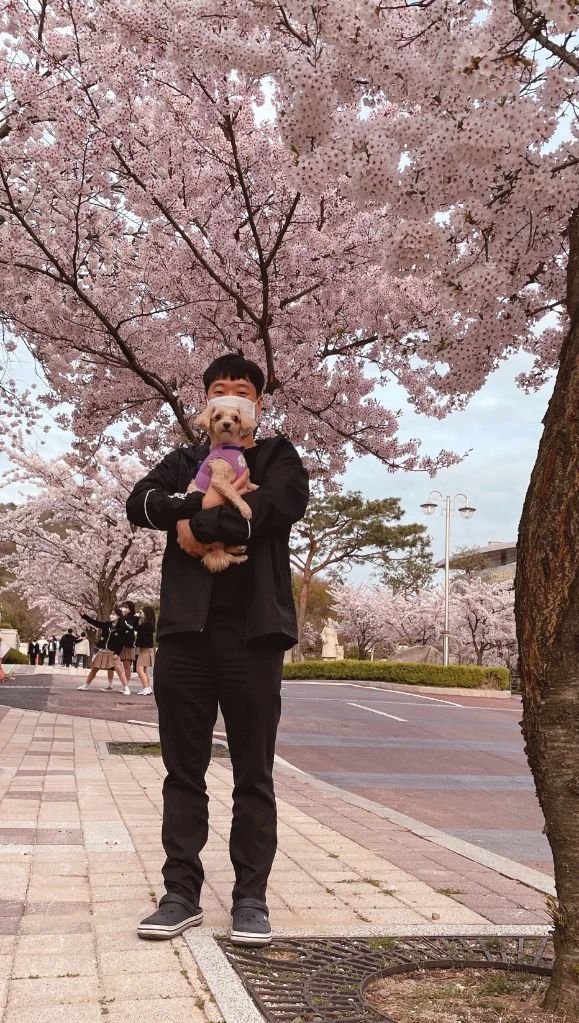
- What to wear: Pack T-shirts or long-sleeve tops, a light sweater, and a jacket or trench coat. March may still require a warmer midlayer, while short sleeves can be comfortable during the day by late May.
- Footwear: Choose supportive sneakers for long walks through palaces and parks. Easy-to-remove shoes are convenient when visiting homes or restaurants with floor seating.
- Spring tip: Check the forecast a few days before departure and adjust your outer layers for the specific week.
- Fine dust: Air quality can vary by day. Check an official air-quality forecast before long outdoor plans; travelers who are sensitive to pollution may want a well-fitting mask rather than relying only on a cloth face covering.
2. Summer & Monsoon Season (June to August): Heat, Humidity & Rain
Korean summers are hot and humid. The rainy period, known as jangma (장마), usually falls between late June and late July, although the timing and amount of rain vary each year.
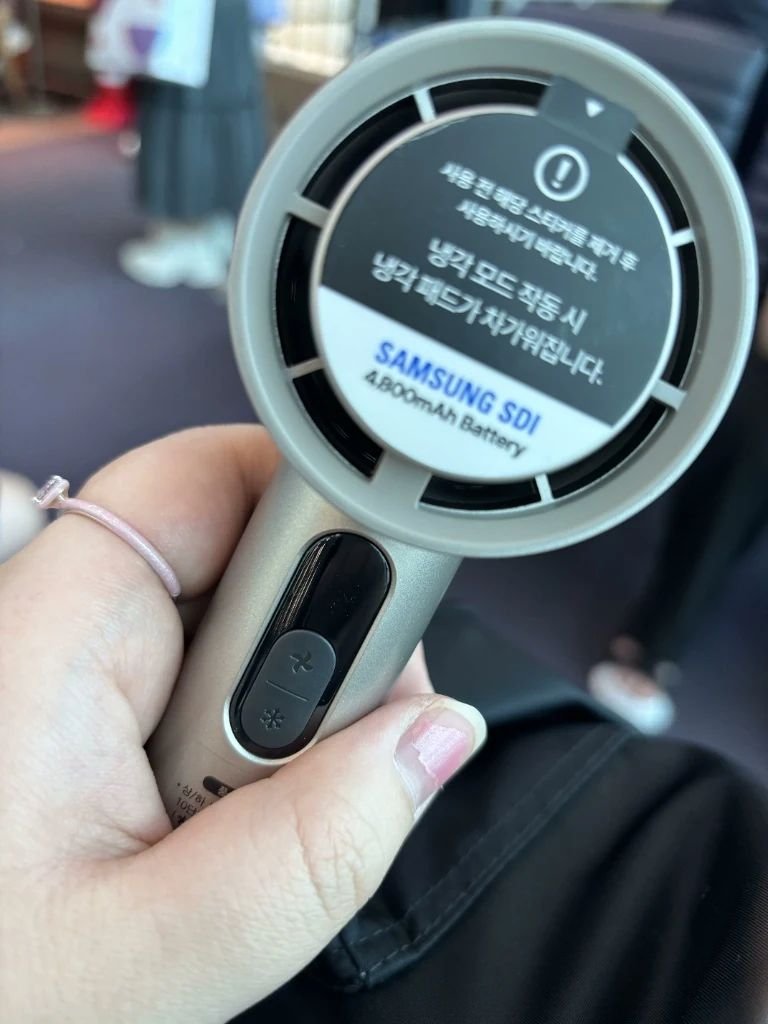
- What to wear: Pack breathable, quick-drying tops with loose trousers, skirts, or shorts. Bring one thin layer for heavily air-conditioned trains, cafes, and shops.
- For rainy days: Carry a compact umbrella or a lightweight rain jacket. Water-resistant shoes or sandals with good grip are useful because smooth pavement can become slippery.
- Humidity: Choose fabrics that dry quickly and pack a small bag for damp clothes. A second lightweight top can be more useful than one heavy outfit during a hot, humid day.
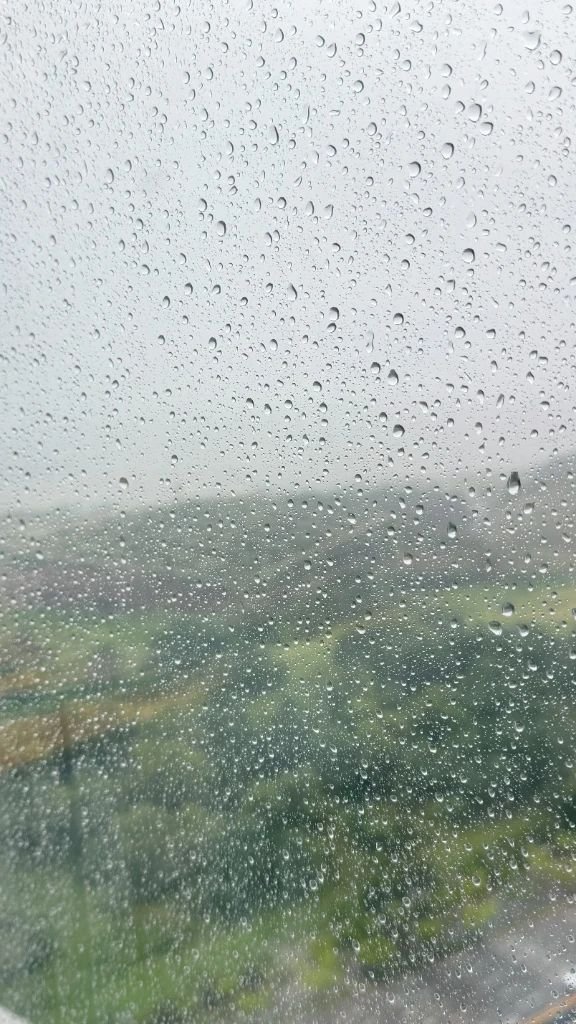
- Summer extra: A rechargeable handheld fan is useful on outdoor walks and warm subway platforms.
3. Autumn (September to November): Crisp Air & Colorful Foliage
Autumn is popular for its lower humidity, clearer skies, and changing foliage, but September can still feel warm and November can be quite cold.
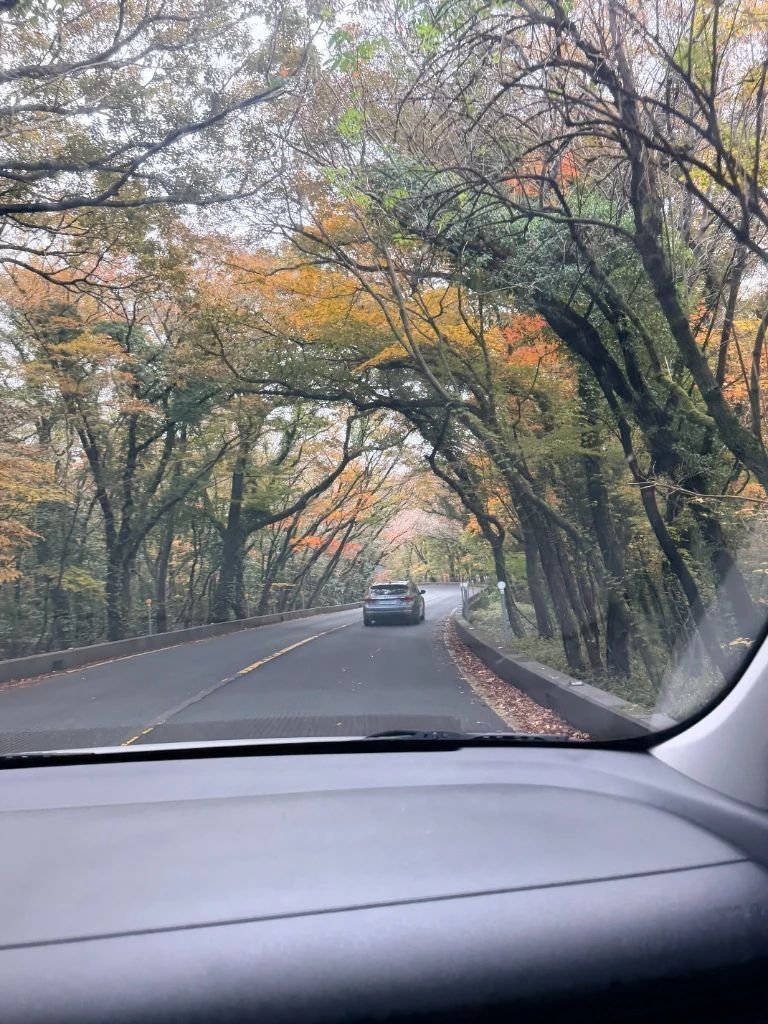
- What to wear: Short sleeves and a light jacket usually work in early autumn. Add sweaters, long trousers, and a warmer jacket for late October and November.
- Footwear: Bring broken-in walking shoes or boots suitable for parks, palace grounds, and hilly neighborhoods.
- Autumn extra: A lightweight scarf adds warmth during evening walks or outdoor dining.
4. Winter (December to February): Cold, Dry Weather
Winter in Korea is dry and often below freezing. Seoul’s average low in January is around -5.5°C (22°F), and cold snaps can feel considerably colder, especially in the wind.
- Core layers: Start with a thermal base layer, then add a sweater or fleece and a wind-resistant down coat. Thermal leggings are helpful on days spent outdoors.
- Winter accessories: Pack insulated gloves, warm socks, a scarf, and a hat that covers your ears.
- Warm interiors and ondol: Hotels, restaurants, and homes may feel much warmer than the street, and floor heating (ondol) can make rooms especially warm. Wear layers that are easy to remove indoors.
- Hand warmers: Disposable hand warmers are easy to find at convenience stores. Follow the package directions and do not place adhesive warmers directly on bare skin.
5. Year-Round Packing: Power, Air Quality & Easy-to-Buy Items
Regardless of when you travel, these items are useful throughout the year:
- Power adapter: South Korea uses 220V, 60Hz electricity and two-round-pin outlets, commonly compatible with Type C and Type F plugs. Check your device’s voltage rating before connecting it.
- Power bank: Maps, translation apps, and photos can drain a phone quickly. Cold weather can also shorten battery life.
- Compact crossbody bag: Keep your passport, T-money card, and wallet accessible while leaving your hands free during transfers.
- Skincare: Dry winter air and strong indoor air conditioning can irritate skin, so lip balm and a travel-size moisturizer are useful.
- Mobile data: Decide how you will get online before arrival. Our Korea eSIM vs. SIM card guide explains the main options.
Usually easy to buy after arrival
Do not overpack replaceable basics. Convenience stores, pharmacies, supermarkets, and shopping districts commonly sell compact umbrellas, disposable masks, hand warmers, basic toiletries, socks, and seasonal accessories. Bring prescription medicine, unusual sizes, and brand-specific items from home because availability is less predictable.
Frequently Asked Questions (FAQ)
Is there a dress code for visiting temples or royal palaces in Korea?
Royal palaces do not have a formal visitor dress code, but comfortable shoes are recommended for stone paths and large grounds. At Buddhist temples, choose modest clothing and follow any signs or requests at the entrance to worship areas.
Can I buy seasonal clothes in Seoul if I pack for the wrong weather?
Yes. Hongdae, Myeongdong, and underground shopping centers such as Goto Mall at Express Bus Terminal sell seasonal clothing, rain gear, and winter accessories at a range of prices.
What documents should I check before packing?
Entry rules can change, so review our Korea entry requirements guide and confirm the latest official requirements before departure.
Related Travel Guides
Official reference sources: