Seoul to Busan 3-Day Itinerary: Route, Food Stops & Where to Stay
Busan offers a different pace from Seoul, with busy seafood markets in the old city, long beaches in the east, and neighborhoods built around the coast. Three days is enough for a highlights trip if you group the western and eastern areas rather than crossing the city several times a day.
This post contains affiliate links. If you book through them, we may earn a commission at no extra cost to you.
The fastest KTX services connect central Seoul and Busan in about 2 hours 15 to 20 minutes, although many trains take longer depending on their stops.
This three-day itinerary combines the main sights with realistic transfer time, food stops, and a choice of convenient areas to stay.
Last verified: September 24, 2026. KTX journey times, the ₩54,400 regular one-way fare, the ticket-sales window, Busan transit-card guidance, and the attraction booking notes below were checked against current KORAIL, Seoul, Busan, and operator information. Timetables, fares, final boarding times, and attraction tickets can change.
Table of Contents
Getting from Seoul to Busan by KTX
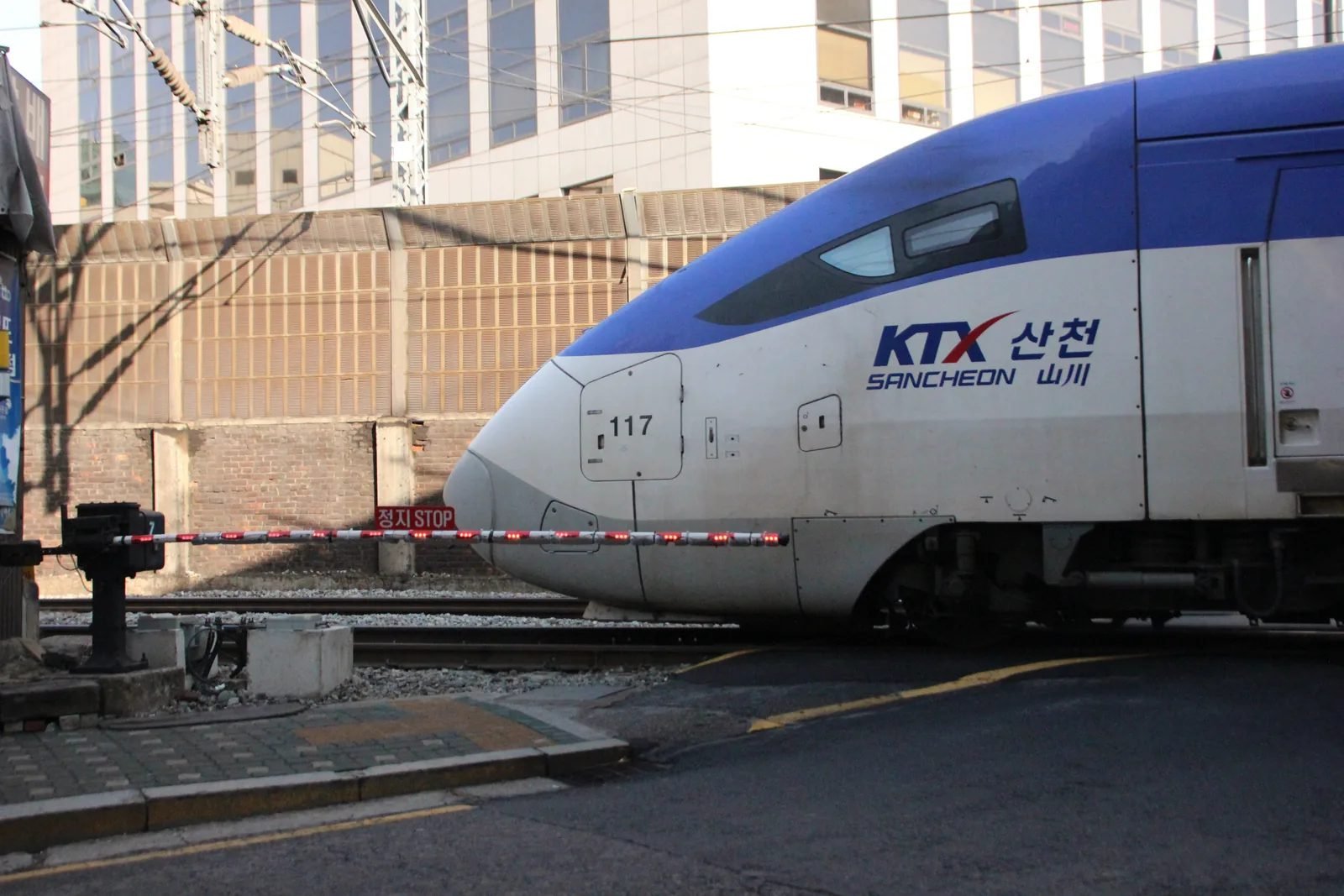
KTX is the quickest rail option between central Seoul and Busan.
- Departure: Seoul Station (Subway Lines 1 and 4, plus AREX)
- Arrival: Busan Station (Subway Line 1)
- Travel time: The fastest services take about 2 hours 15 to 20 minutes; other departures may take closer to 2 hours 45 minutes or more.
- Standard fare: From September 1, 2026, the regular one-way Seoul–Busan KTX fare is ₩54,400.
- Booking: Tickets usually open about one month before departure, but timetable changes and holiday booking periods may follow a separate schedule. Check Seoul–Busan train times and tickets once your travel date becomes available.
Useful departure window: For this itinerary, choose a Seoul departure around 7:00–8:00 AM that reaches Busan around 9:30–10:30 AM. Use the live KORAIL timetable rather than planning around one fixed train number, and leave enough time at Seoul Station to find the platform.
Where to Stay in Busan
The most convenient area depends on which part of the city you want to prioritize.
| Neighborhood | What It Is Like | Useful For |
|---|---|---|
| Haeundae | Beachfront hotels, restaurants, and easy access to the eastern coast | Travelers prioritizing Haeundae and nearby coastal sights |
| Gwangalli | Oceanfront cafes, bars, and nightly views of Gwangan Bridge | Evenings by the beach and a more local nightlife area |
| Seomyeon | Central transfer point for Subway Lines 1 and 2 | Travelers who want easier access to both sides of the city |
If the beach is your priority, compare hotels near Haeundae Beach after checking the distance to the nearest subway station.
Day 1: Gamcheon, Jagalchi & Songdo
Rain alternative: Gamcheon’s slopes and the Songdo cable car are less practical in heavy rain or strong wind. Keep Jagalchi Market and BIFF Square, shorten the outdoor village route, and skip the cable car if the operator suspends service.
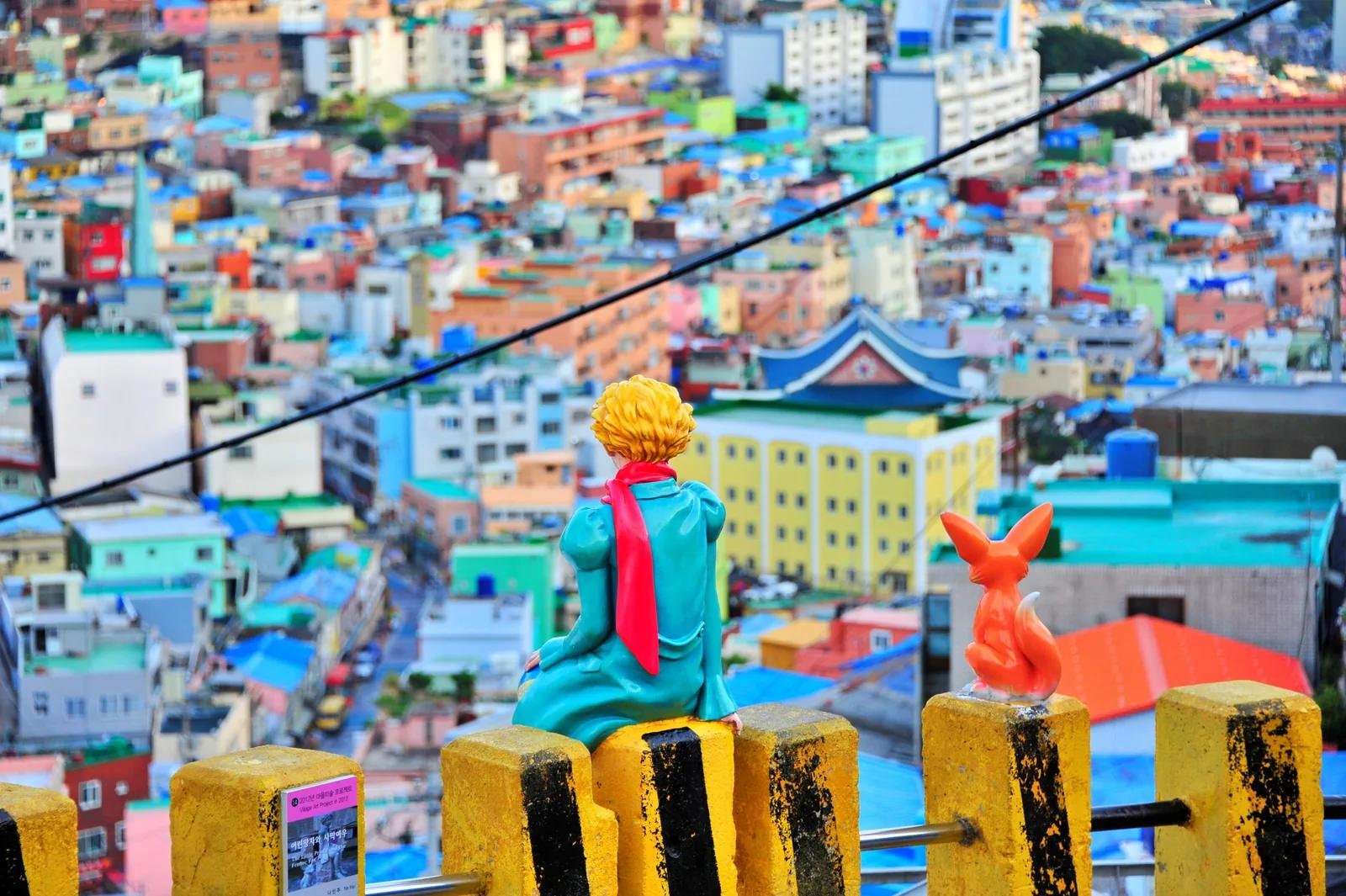
- Morning: If your train arrives at Busan Station around 10:30 AM, store your luggage or leave it at your hotel before continuing. Allow roughly an hour to reach Gamcheon Culture Village, then walk through the main route and viewpoint area.
- Afternoon (2:00 PM): Continue to Jagalchi Market and BIFF Square for seafood and street snacks.
- Evening (5:30 PM): Ride the Songdo Sea Cable Car if weather and operating conditions are suitable. Check the final boarding time before leaving Jagalchi.
Recommended Food & Cafe:
- Bonjeon Dwaeji Gukbap: Pork and rice soup near Busan Station. It is popular at meal times, so a wait is possible. View on Google Maps.
- Gamcheon cafe stop: Choose a cafe along the main viewpoint route rather than making a separate detour. Browse cafes near Gamcheon Culture Village on Google Maps.
Day 2: Haedong Yonggungsa & Haeundae
Rain alternative: The temple approach, coastal stairs, and Blueline Park views are weather-dependent. In poor conditions, use Haeundae’s indoor restaurants, cafes, and shopping stops and move the coastal route to the clearest part of the trip.
- Morning (9:30 AM): Visit Haedong Yonggungsa Temple on the coast. The approach includes stairs and can become crowded around midday.
- Afternoon (1:30 PM): Continue to Cheongsapo or Mipo for Haeundae Blueline Park. Check the Haeundae Blueline Park ticket options carefully because the Sky Capsule and Beach Train are separate products. Sky Capsule tickets are one-way and the departure station printed on the booking matters.
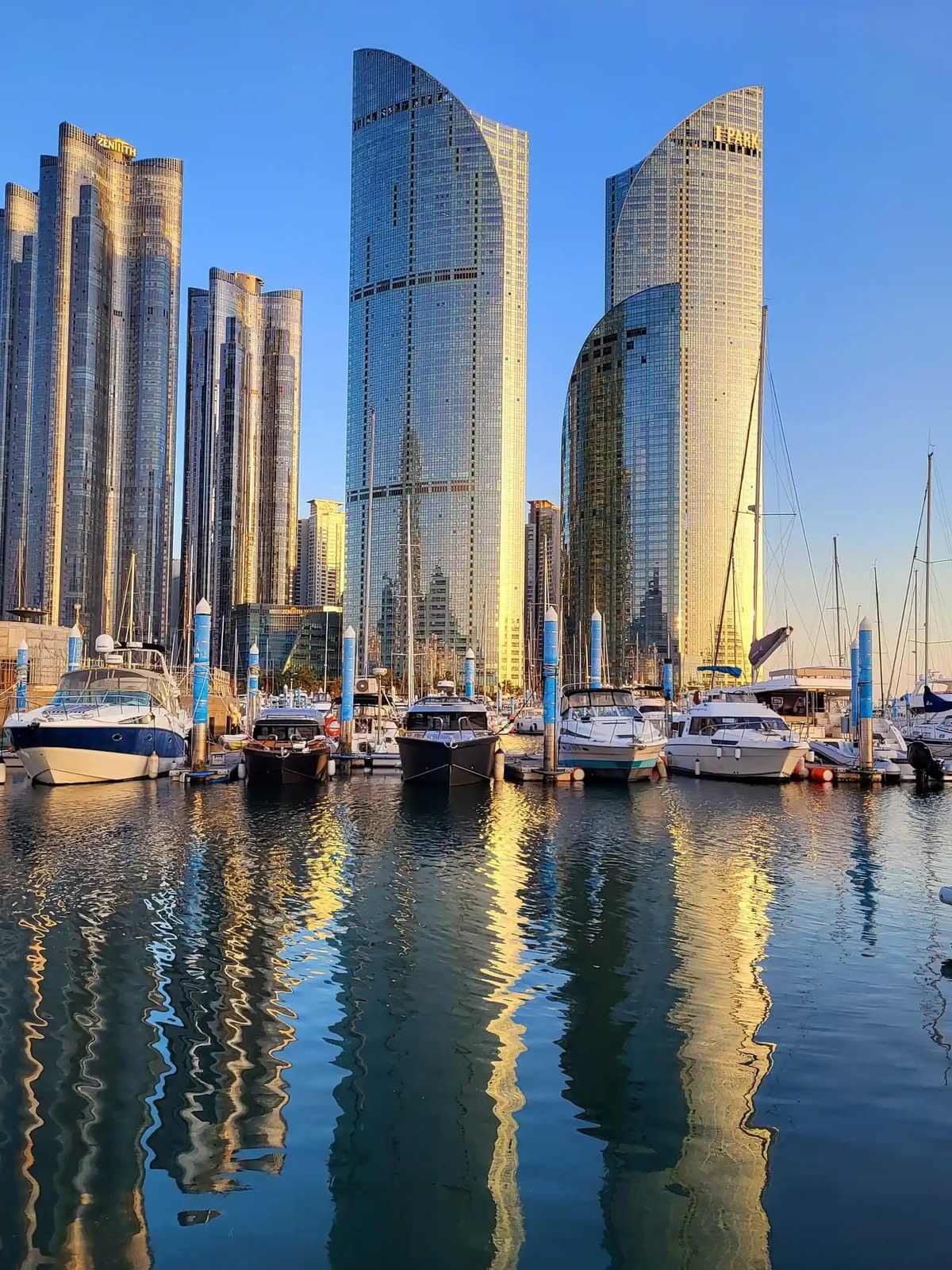
- Evening (5:30 PM): Walk along Haeundae Beach and Dongbaekseom, or shorten the route if you spent longer at the temple or Blueline Park.
Recommended Food & Cafe:
- Haeundae Somunnan Amso Galbijip: Korean beef short ribs. Check current prices and reservation availability before going. View on Google Maps.
- Cheongsapo cafe stop: Several cafes overlook the railway and coast. Choose one near your arrival station and confirm its current hours. Browse cafes near Cheongsapo Station on Google Maps.
Day 3: Gwangalli & Millak
Rain alternative: Shorten the beach and waterside-park walk, use an indoor cafe or market stop, and take an earlier train if the bridge view or yacht schedule is disrupted. Keep the one-hour transfer buffer to Busan Station.
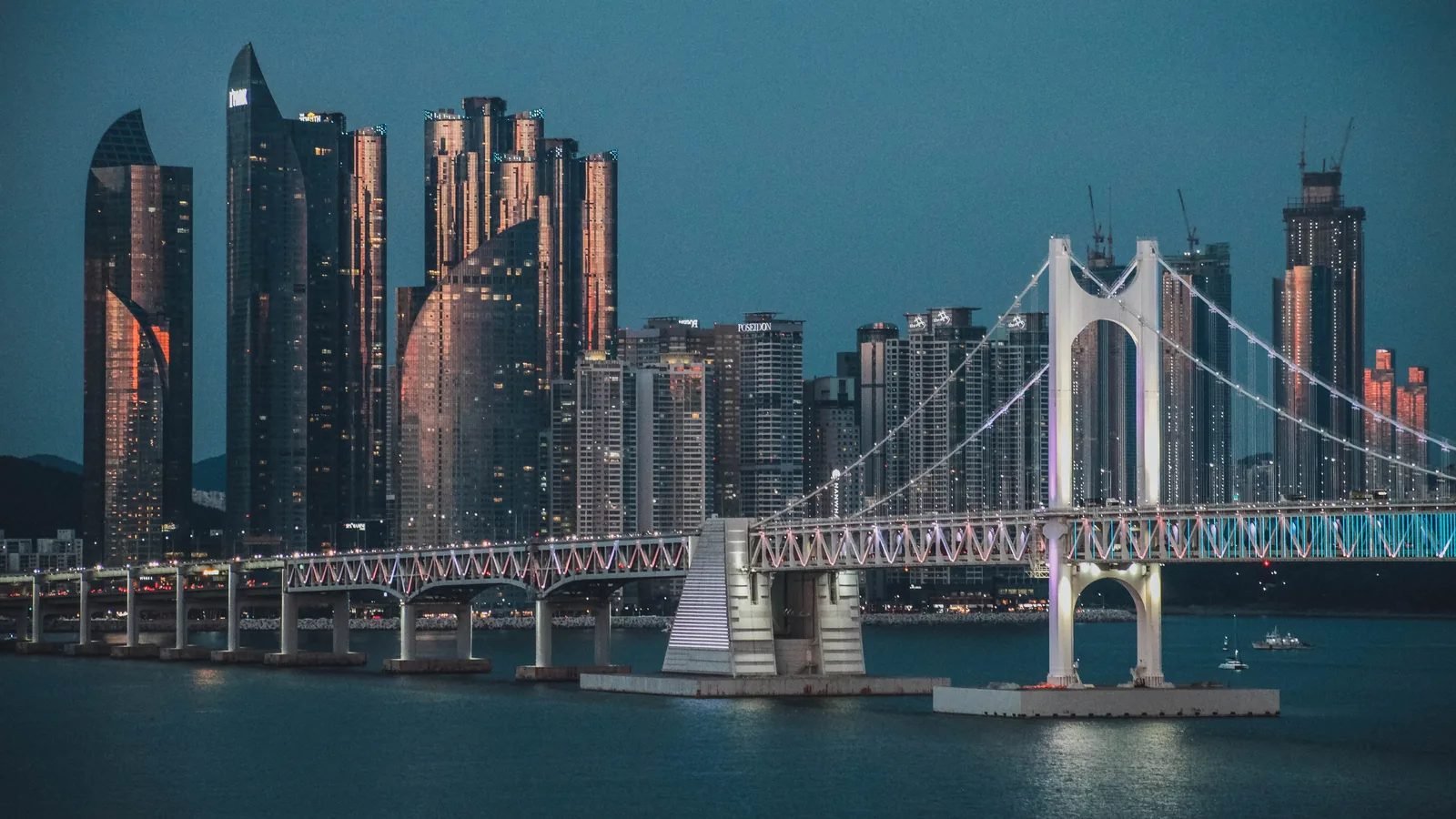
- Morning (11:00 AM): Walk along Gwangalli Beach and view Gwangan Bridge from the waterfront.
- Afternoon (2:00 PM): Continue toward Millak Waterside Park and the surrounding cafe streets. Yacht trips operate from the nearby marina, but schedules depend on weather and the operator.
- Evening: If you are returning to Seoul the same day, book a KTX after 8:00 PM and allow at least one hour to reach Busan Station from Gwangalli. Leave earlier during rush hour or on weekends.
Recommended Food & Cafe:
- Millak Hoe Town: Buy sashimi from one of the vendors and check the preparation and table charges before ordering. View on Google Maps.
- Gwangalli cafe stop: Pick an ocean-facing cafe along the beach and confirm the closing time if you plan to stay for the bridge lights. Browse cafes near Gwangalli Beach on Google Maps.
What to Eat in Busan
- Dwaeji Gukbap (돼지국밥): Pork and rice soup, usually served with garlic chives and salted shrimp.
- Milmyeon (밀면): Wheat noodles served in chilled broth or mixed with a spicy sauce.
- Ssiat Hotteok (씨앗호떡): A fried sweet pancake filled with sugar syrup, sunflower seeds, pumpkin seeds, and peanuts.
- Busan Eomuk (부산어묵): Fish cakes sold at markets, stations, and specialty shops, often served in hot broth.
Frequently Asked Questions
Is three days enough for Busan?
Three full days allow you to cover the main western sights around Gamcheon and Jagalchi and spend a separate day along the eastern coast. It is still a busy schedule, so skip one stop if you prefer a slower pace.
Can I use a Seoul Climate Card in Busan?
No. The Climate Card is not valid on Busan’s subway or city buses. Use a rechargeable T-money or Cashbee card instead. Our Korea transit card guide explains the differences.
Related Travel Guides
- How to Take the KTX Bullet Train: Booking, Seats & Luggage
- Korea transit card comparison
- Korea travel app guide