Cash vs. Card in South Korea: Payments, ATMs & Backup Options (2026)
Carry one physical Visa or Mastercard and a modest amount of Korean won. Cards work at many hotels, restaurants, shops, and transport services in Seoul and other large cities, while cash is still useful for standard T-money reloads, small market stalls, and older cash-only machines. This mix also gives you a backup if a card or terminal fails.
Last verified: September 24, 2026. Korea Tourism Organization currently states that major hotels, department stores, and shops accept international cards, while its May 2026 transport guide lists standard T-money purchase and top-up as cash-only when using foreign-issued cards.
Table of Contents
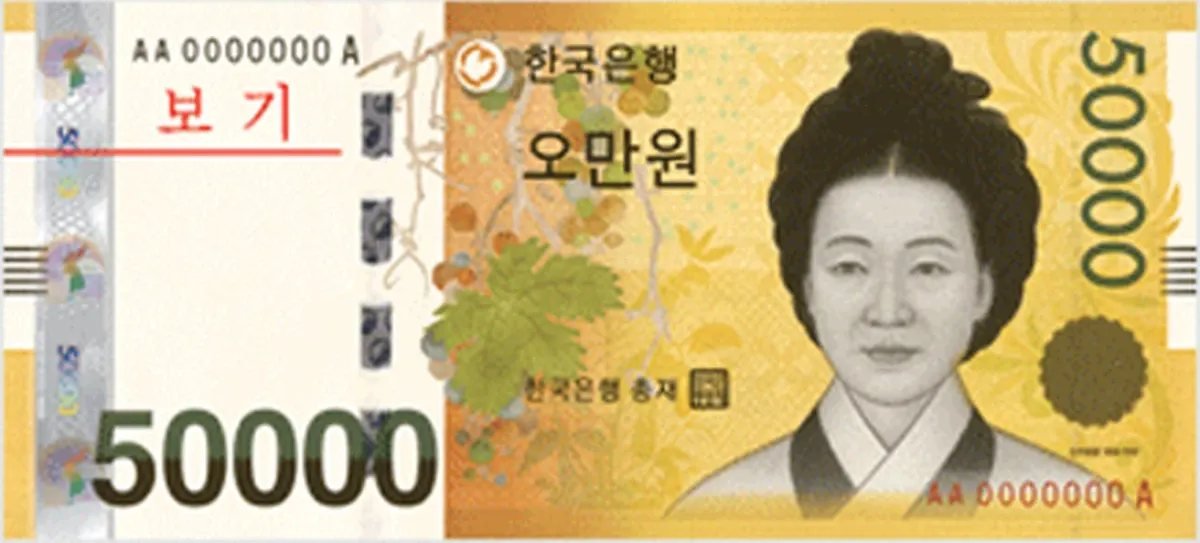
South Korea: Cash or Card?
Use cards for most purchases in South Korea, but carry some Korean won for standard T-money top-ups and small vendors that may not accept cards. A starting cash reserve of ₩50,000–₩100,000 per person is practical; adjust it to your itinerary and bring a backup physical card.
| Situation / Category | Card Accepted? | Cash Required? | Local Advice |
|---|---|---|---|
| Cafes, Restaurants & Department Stores | Yes (Visa, Mastercard, WOWPASS) | Rarely | Cards are commonly accepted; some kiosks are card-only |
| Convenience Stores (CU, GS25, 7-Eleven) | Yes | No | Great for quick snacks, buying transit cards, and small daily items |
| Standard Physical T-money Reloads | Usually not at subway machines or convenience-store counters | Usually (KRW cash) | Carry Korean won for standard T-money top-ups; payment options for other ticket products may differ |
| Traditional Markets & Street Food | Varies by vendor | Sometimes | Bring small Korean won notes; some vendors accept cards, while others prefer or require cash |
| Taxis (street hail & k.ride app) | Yes | No | Tap your physical card in the taxi or link it in-app via k.ride |
| Coin Lockers & Vintage Photo Booths | Mixed | Sometimes | Modern photo booths accept cards; older station lockers use coins |
1. Where Cards Are Common
Most established businesses in South Korea accept cards. A foreign card can still be declined because of the terminal, card network, or the card issuer, so carry a second payment method.
International Credit & Debit Cards
- Visa and Mastercard: Widely accepted at hotels, department stores, convenience stores, and many restaurants. Acceptance is not guaranteed at every small business.
- American Express: Generally accepted at major department stores, global hotel chains, and fine dining, but occasionally declined at smaller independent neighborhood boutiques.
- Contactless Tapping: While contactless payments (EMV Tap-to-Pay) are expanding rapidly across major franchises, inserting the physical chip is still standard practice at smaller local restaurants.
The Rise of Self-Service Kiosks
Many casual dining spots, fast-food chains, bakeries, and automated cafes have replaced human cashiers with touchscreen ordering kiosks. Many of these kiosks accept cards only. If a kiosk does not accept cash, ask a staff member whether another payment method is available.
Pro Tip to Avoid DCC Fees: Whenever a card terminal asks whether you want to be charged in USD/Home Currency or KRW (Korean Won), usually select KRW. Dynamic Currency Conversion (DCC) often uses a less favorable exchange rate than your card issuer.
2. When Cash Is Still Useful
Even in a card-friendly city, cash is still useful and is sometimes required.
1. Reloading Public Transit Cards (T-money)
A common surprise for visitors is that standard T-money reloads at most subway machines and convenience-store counters usually require Korean won in cash. Policies for purchasing the empty T-money card vary by store.
Since March 17, 2026, 440 new ticket machines at 273 Seoul subway stations on Lines 1–8 have accepted internationally issued cards for single-journey tickets and short-term Climate Card purchases and recharges. That does not change the standard T-money rule: Korea Tourism Organization’s current guide still lists standard T-money purchase and top-up as cash-only. Last verified: September 24, 2026.
2. Traditional Markets and Street Food Vendors
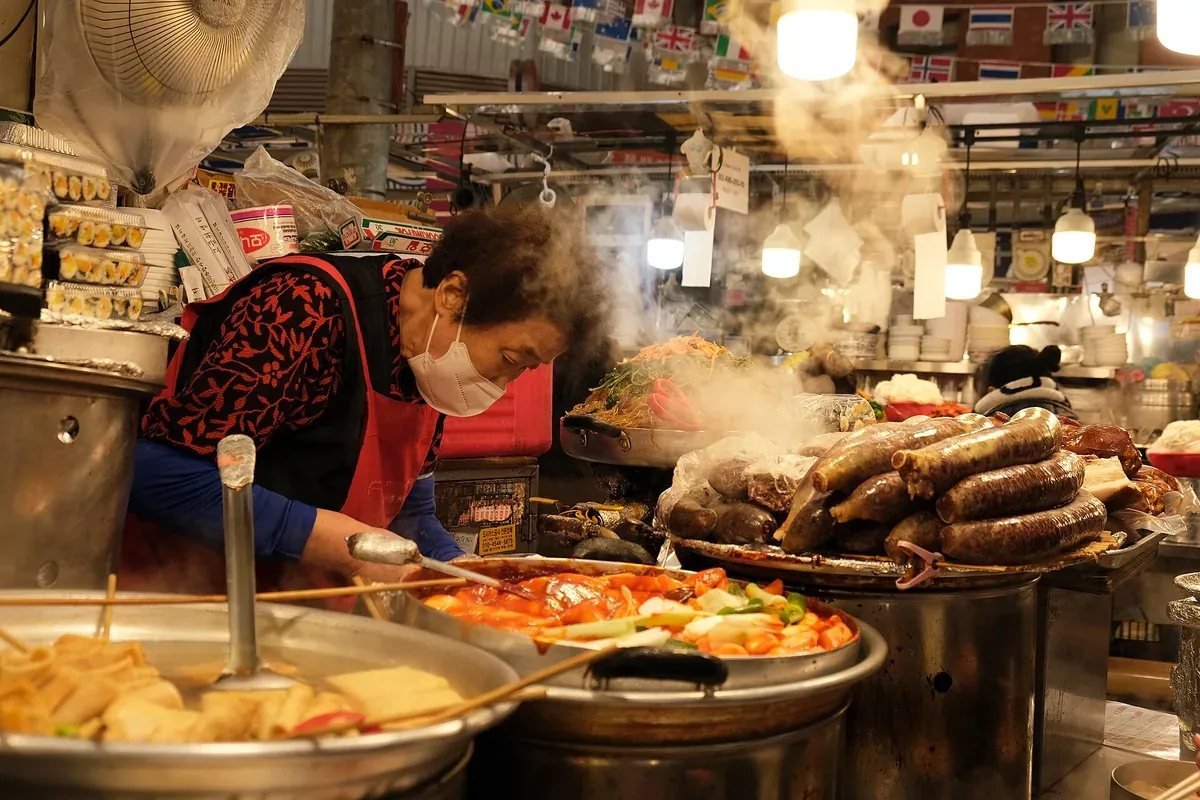
If you plan to graze through Gwangjang Market, Namdaemun Market, or the evening street food rows in Myeongdong and Hongdae, many small vendors prefer cash or domestic bank transfers, although some also accept cards. Having small bills (₩1,000, ₩5,000, and ₩10,000 banknotes) makes ordering tteokbokki, bindaetteok, hotteok, and skewers quick and easy.
3. Underground Shopping Alleys
Underground shopping complexes—such as the Express Bus Terminal (Goto Mall) or Gangnam Station Underground Shopping Center—feature hundreds of small clothing and accessory shops. Some vendors offer a cash discount. Ask for the price before paying rather than assuming that every shop has separate cash and card prices.
4. Coin Lockers, Laundromats, and Temple Donation Boxes
Some older luggage lockers, laundromats, and donation boxes may require coins or small bills.
3. Withdrawing Cash with a Foreign Card
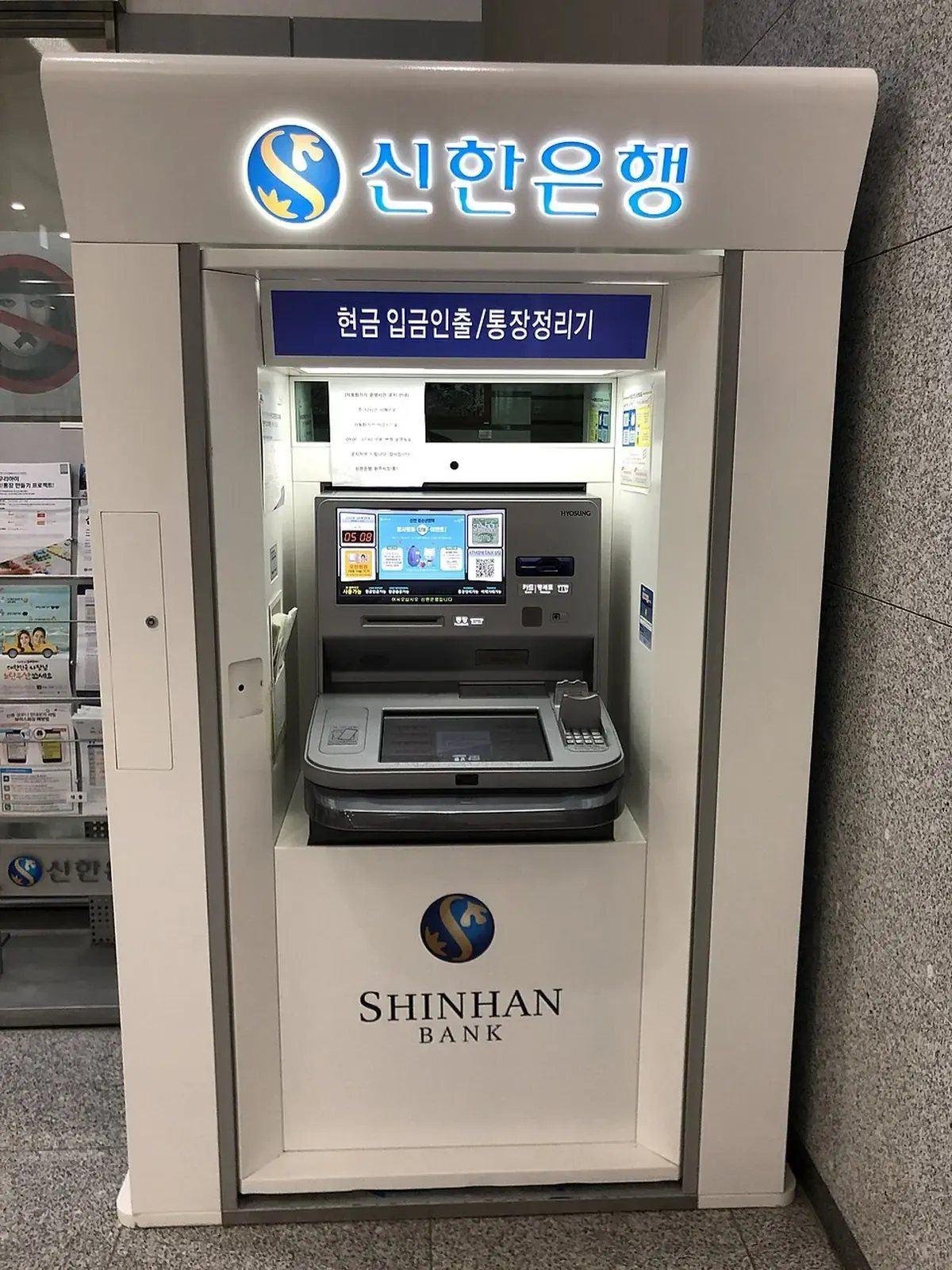
If you have a physical debit card connected to an overseas account, a Korean ATM can be a convenient way to get won. You do not need to exchange a large amount of cash before your flight, but you do need a machine that supports your card network.
Where to look for an international ATM
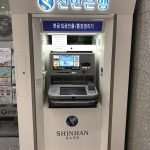
Not every ATM in South Korea accepts foreign cards. Look for Global ATM, International Card, or Foreign Card and check for the network logo printed on your card, such as Visa/PLUS or Mastercard/Cirrus.
| Location | What to check | Practical note |
|---|---|---|
| Incheon Airport | Bank ATM, foreign-currency ATM, operating hours, and your card network | The airport directory lists multiple ATMs, including several 24-hour machines. A convenient place to try after arrival, but support and fees still vary. |
| Bank branch or bank-operated ATM | Global or International label plus your card-network logo | A sensible next option if a subway or convenience-store machine rejects the card. |
| Subway or convenience-store area | Foreign-card label and matching network logo | Convenient, but an English-language button alone does not prove that the machine accepts overseas cards. |
ATM listings, operating hours, network support, and fees can change. Last verified: October 2, 2026.
Withdrawal steps
- Check the machine before inserting your card. Look for a Global, International, or Foreign Card label and a matching network logo.
- Insert the physical card and choose English. The menu order varies by operator.
- Select International Card or Foreign Card if that choice appears. Do not use a Korean no-bankbook or cardless menu for an overseas account.
- Choose cash withdrawal. If the ATM asks for an account type, follow the instructions from your card issuer; the available choices differ by bank and card.
- Enter the amount and review the screen. Check the ATM fee, currency-conversion offer, and any stated limit before confirming.
- Collect everything before leaving. Some machines return the card before dispensing cash, so follow the on-screen order and make sure you have your card, cash, and receipt.
Fees, limits, and DCC
There can be two separate charges: a fee from the Korean ATM operator and a fee from your own bank or card issuer. The available withdrawal amount can also be limited by the machine, your card, or your issuer’s daily overseas-cash limit. Check your account terms instead of relying on one fixed number.
If the ATM offers to bill you in your home currency, that is Dynamic Currency Conversion (DCC). Visa says the screen should show the local- and home-currency amounts, the exchange rate, and any additional fee or markup, and it must let you accept or decline the conversion. If you want your own card issuer to handle the conversion, choose KRW or decline DCC. Your issuer’s own exchange rate and overseas withdrawal fees still apply, so KRW is not a promise of a fee-free transaction.
If the withdrawal fails
- Do not repeat the same transaction several times at the same machine.
- Check that the machine supports your card network and that overseas cash withdrawals are enabled on your account.
- Confirm the PIN and your remaining daily limit without repeatedly guessing the PIN.
- Try a bank-operated Global ATM with the matching network logo.
- If that also fails, contact the card issuer before assuming that every Korean ATM will reject the card.
Have no physical card at all and only an overseas bank account or a phone wallet? The Korean cardless menu is not a general workaround. See our dedicated guide: Can You Withdraw Cash Without a Card in South Korea?
Currency Exchange: Banks vs. Myeongdong Booths
- Airport Exchange Desks: Useful for converting a quick ₩50,000 to ₩100,000 for your first transit ride, but they carry wider exchange spreads.
- Myeongdong Private Exchange Booths: Licensed currency exchange shops in Myeongdong near the Chinese Embassy street often offer better posted rates than airport counters. Compare the rate and commission before exchanging money.
4. A Practical Payment Setup
A practical payment setup has three parts:
1. Primary Card (No Foreign Transaction Fee)
Use a Visa or Mastercard that does not charge foreign transaction fees for hotels, restaurants, and larger purchases. Bring a second physical card from another account as a backup.
2. WOWPASS All-in-One Prepaid Card
WOWPASS may suit travelers who want a prepaid payment card and a transportation-card function in one physical card. Its payment balance and transportation balance are separate, so confirm which balance you are loading before travel.
- According to WOWPASS, the payment balance can currently be topped up at kiosks with supported foreign cash or in the app with supported international cards and e-wallets.
- The app can show payment activity and the transportation-card balance. Top-up methods, acceptance, limits, and fees can change, so check the app before relying on WOWPASS as your only backup. Last verified: September 24, 2026.
3. Emergency Cash Reserve (₩50,000 to ₩100,000 per person)
Keep approximately ₩50,000 to ₩100,000 ($35 to $75 USD) in cash in your wallet. This is a reasonable starting reserve for transit reloads, small purchases, and machines that do not accept your card, although individual needs vary.
Frequently Asked Questions (FAQ)
Can I use Apple Pay or Google Pay in South Korea?
Apple Pay is available in South Korea, but Apple requires a supported card from a participating issuer and the merchant must accept Apple Pay or contactless payments. Google Wallet tap-to-pay likewise requires a supported payment method and compatible contactless terminal. Do not rely on either phone wallet as your only payment method; carry a physical chip card. For terminal compatibility and backup options, see our Apple Pay and Google Pay in Korea guide. Last verified: September 24, 2026.
What should I do with leftover Korean Won coins before leaving?
Many exchange counters do not accept coins. Spend your remaining ₩100 and ₩500 coins at airport convenience stores, combining coins with a credit card for the remaining balance, or use a WOWPASS kiosk or pocket coin conversion kiosk before heading through security.
Is tipping customary in South Korea?
No. Tipping is generally not expected in Korean restaurants, taxis, or cafes. Pay the listed price unless a venue clearly states a separate service charge.
How much cash should I carry for a 7-day trip to Seoul?
There is no single amount that suits every traveler. For many visitors, ₩50,000 to ₩100,000 is a reasonable starting reserve for a week in Seoul, with cards used for most larger purchases.
Related Travel Guides
Official reference sources: Bank of Korea payment and settlement systems reports, Korea Tourism Organization currency and card guide, Korea Tourism Organization May 2026 transport payment guide, Seoul’s March 17, 2026 ticket-machine update, Incheon International Airport financial services directory, WOWPASS official service guide, Apple Pay participating issuers, and Google Wallet tap-to-pay requirements.