Seoul Subway Guide 2026: Fares, Cards, Exits & First Ride
Seoul’s subway is usually the fastest way to cross the city. The system is well signed, but large transfer stations, numbered exits, and platforms serving opposite directions can still be confusing on a first ride.
At large stations such as Express Bus Terminal, check the next-station name and terminal direction before boarding. Correcting a wrong-direction trip can add another transfer and a long walk, especially with luggage.
You do not need to read Korean to use the network confidently. A rechargeable transit card, an English navigation app, and a few local rules are enough to travel around Seoul quickly and affordably.
Last verified: September 23, 2026. Fares, coverage, payment methods, and first- or last-train times can change; check the official links at the end of this guide before travel.
Table of Contents
Seoul Subway Guide: Quick Facts and 2026 Fare Table
Seoul, Incheon, and much of Gyeonggi use an integrated distance-based fare system. A rechargeable transit card such as T-money or WOWPASS costs less than a single-use ticket and automatically applies eligible transfer discounts between the subway and city buses.
| Rider category | Transit card | Single-use ticket | Conditions |
|---|---|---|---|
| Adult | ₩1,550 | ₩1,650 | First 10 km |
| Youth / teen | ₩900 | ₩1,650 | Registered youth card required |
| Child | ₩550 | ₩550 | Up to three children under six ride free with one adult |
| Early morning adult | ₩1,240 | Not applicable | First card ride before 6:30 AM |
| Distance surcharge | +₩100 per 5 km | +₩100 per 5 km | After the first 10 km |
Transfer discount: Tap out of the subway or bus and tap into the next eligible service within 30 minutes. The window extends to 60 minutes from 9:00 PM to 7:00 AM. Up to four transfers are permitted, and the system charges only the applicable fare difference or distance surcharge.
Choose a transit card for the first ride
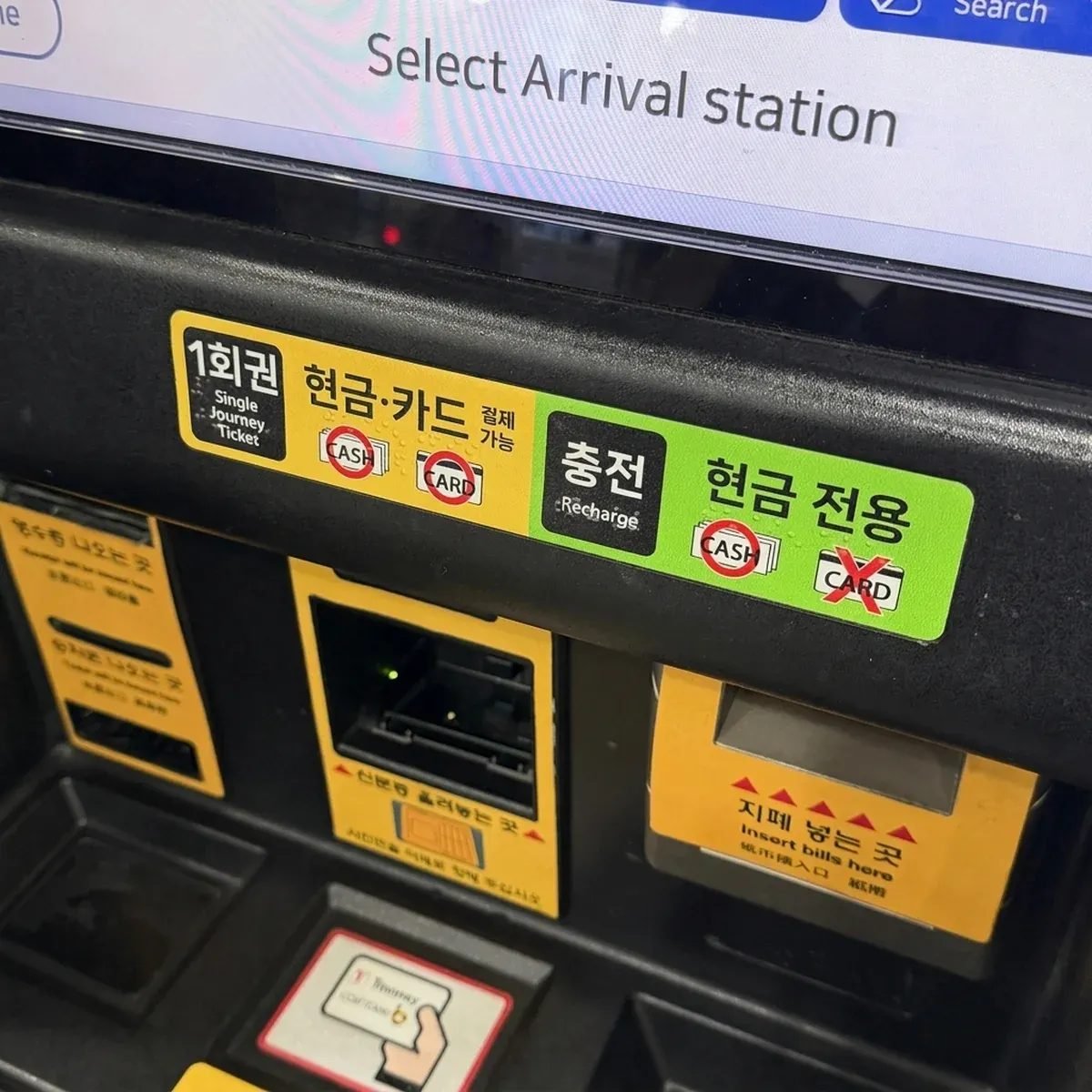
For a short visit, a rechargeable T-money card is the simplest default because it works on Seoul subways and buses and can also be used on many other local transit systems. A single-journey ticket is available from station machines when you do not want a reusable card.
A Climate Card can be useful for frequent rides inside its covered Seoul network, while WOWPASS combines a payment product with a separate T-money transit balance. Coverage, issuance fees, recharge methods, and break-even points need a fuller comparison, so use our Korea transit card comparison before choosing one.
Use one route app before entering
Check your line, direction, next-station name, exit number, and last-train time before passing the gate. Naver Map provides Korea-focused subway and walking routes; our Naver Map English guide covers Korean-name searches, exits, and route failures. Treat app times as estimates and confirm platform signs.
How to Ride the Seoul Subway: Step by Step
- Tap in at the turnstile. Hold your T-money, WOWPASS, or Climate Card flat against the sensor until you hear the chime and see the green arrow. Keep it accessible because you must tap out at your destination.
- Check the line, direction, and station number. Match the line color and number, then confirm the next station and terminal direction on the overhead sign. Myeong-dong, for example, is station 424 on Line 4.
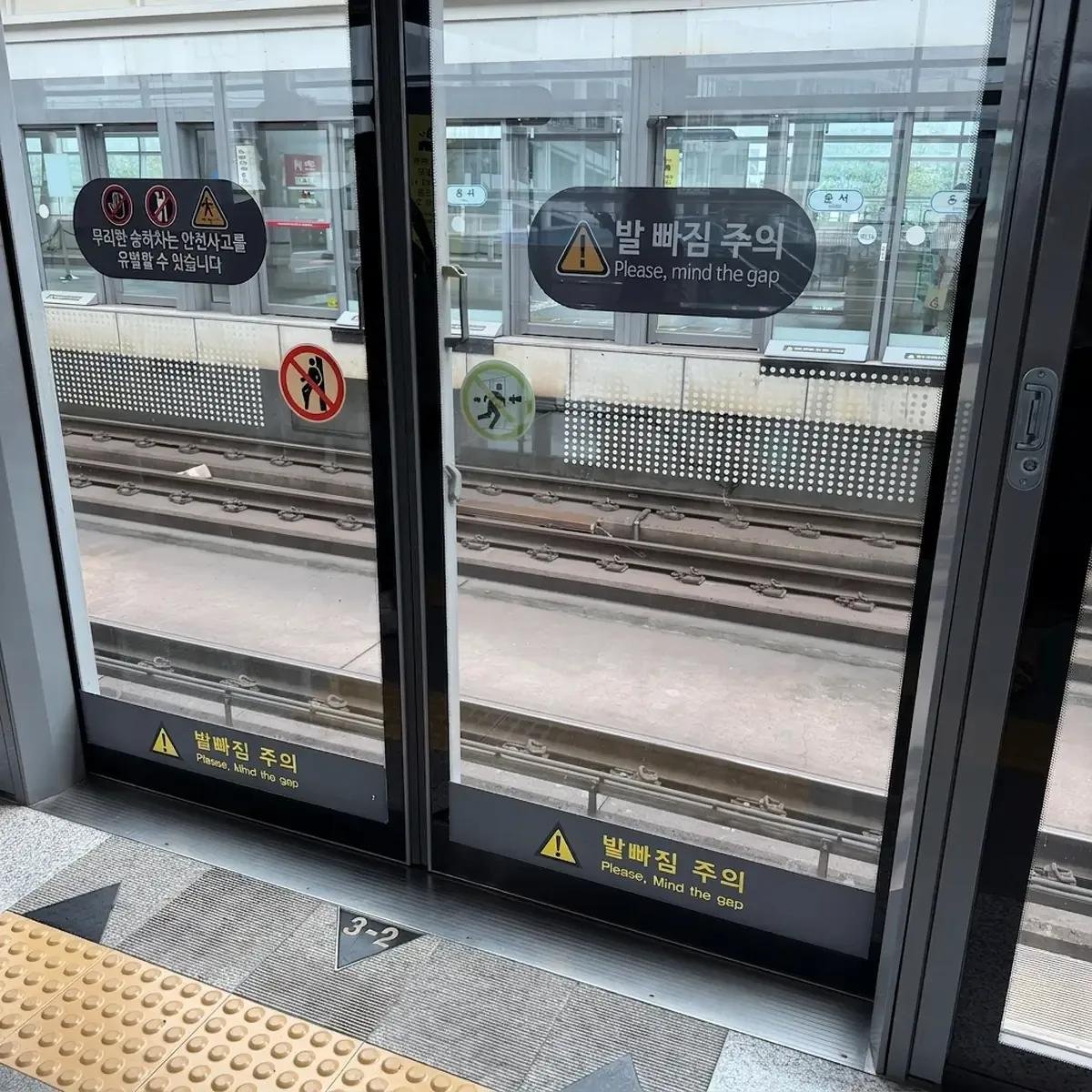
- Board after passengers exit. Wait behind the tactile line, allow riders to leave first, and move away from the doorway once inside.
- Follow transfer signs or tap out. Standard subway transfers stay inside the paid area, so follow the colored line signs without tapping out. At your final stop, locate the correct numbered exit before passing through the gate.
For detailed help with line colors, long transfer corridors, car and door numbers, and wrong-platform fixes, see our Seoul subway transfer guide.
Card clash warning: Do not tap a wallet containing several contactless cards. Present only the transit card to prevent a gate error.
Everyday Subway Etiquette
- Leave pink pregnancy seats available, even when the train is not crowded.
- Reserve priority benches for older adults, injured passengers, and people with disabilities.
- Keep phone calls and music quiet.
- Wear your backpack in front or place it between your feet during rush hour.
- Stand to the side of train doors while passengers exit.
3 common Seoul subway mistakes and fixes
- Entering the platform in the wrong direction. Check the next-station name and terminal direction before boarding. If the platforms are separated, ask staff before exiting. For long corridors, car and door numbers, and wrong-platform recovery, use our Seoul subway transfer guide.
- Boarding an express train accidentally. Local and express services share tracks on some lines. Check the platform display and let an express train depart if your station is not listed.
- Running out of balance at the exit. Use the fare-adjustment machine inside the paid area, add the displayed amount, and then tap out normally.
When the Subway Is Easier
The subway is usually more practical for long trips across the city, especially when your start and finish are close to stations. Hongdae to Gangnam or Myeongdong to Seongsu is easier to plan by rail when the transfer is straightforward. During rush hour, rail travel is also easier to time than a bus caught in road traffic, although trains and transfer corridors can still be crowded.
| Situation | Usually Easier | What to Check |
|---|---|---|
| Long cross-city trip | Subway | Whether both ends are near stations and the transfer is simple |
| Hills or narrow neighborhood streets | Bus | The correct stop direction and the walk from the final stop |
| Destination far from a station | Bus | Compare the bus stop location with the subway exit and walking distance |
| Large luggage | Whichever has fewer transfers | Station stairs, elevators, bus crowding, and space around your seat |
| Rain | Subway when entrances are close to both ends | A direct bus may still be easier if it stops near the door |
| Rush hour | Subway for more predictable timing | Both can be crowded; avoid a difficult transfer when possible |
| Late at night | Check live schedules | The last subway, last regular bus, and whether an Owl Bus serves the route |
If a bus stops closer to your destination, particularly in a hilly area or on streets away from a station, compare the route in our Seoul city bus guide before leaving.
Frequently Asked Questions
Can I bring large suitcases on the Seoul subway?
Yes. Regular luggage is permitted without an extra baggage fee. Keep it beside you without blocking the aisle. During weekday commuter peaks, an airport limousine bus or taxi may be more comfortable if you have bulky luggage. If you are choosing how to reach Seoul after landing, compare AREX, airport buses, and taxis in our Incheon Airport to Seoul guide.
What time does the last subway run in Seoul?
Most lines operate from around 5:00 AM until approximately midnight, but last-train times vary by line, direction, weekday, and holiday. Check Naver Map or the station timetable on the day you travel.
Can I tap a foreign Visa or Mastercard directly at the gate?
As of September 2026, no. Seoul is building an EMV open-loop system, but ordinary subway gates do not yet accept standard foreign contactless bank cards directly. Use T-money, WOWPASS, a Climate Card, or a single-journey ticket. International cards and supported mobile payments can instead be used at 440 new vending machines at 273 stations on Lines 1–8 to buy or recharge eligible short-term Climate Cards and purchase single-journey tickets; an average service fee of about 3.7% applies to international-card transactions. See Seoul’s open-loop rollout and 2026 vending-machine update.
For late trips, check the route and last-train time in Naver Map or the station timetable before entering the gate.
Official references: Seoul Metropolitan Government subway fares and transfer rules, Climate Card coverage and prices, 2026 international card payment update, and VISITKOREA transportation card prices.