First 24 Hours in Seoul: Incheon Airport to Your First Night (2026)
Affiliate Disclosure: This post contains affiliate links. If you purchase or book through these links, we may earn a small commission at no additional cost to you.
Landing at Incheon is only the start. Before heading into Seoul, you still need to clear immigration, get online, prepare a transit card, and decide how to reach your hotel. Having that order in mind makes arrival day much easier.
The timeline below follows an 8:00 AM arrival at Incheon Airport. Use it as a practical checklist, and adjust the times for your flight, the immigration queue, and your hotel location.
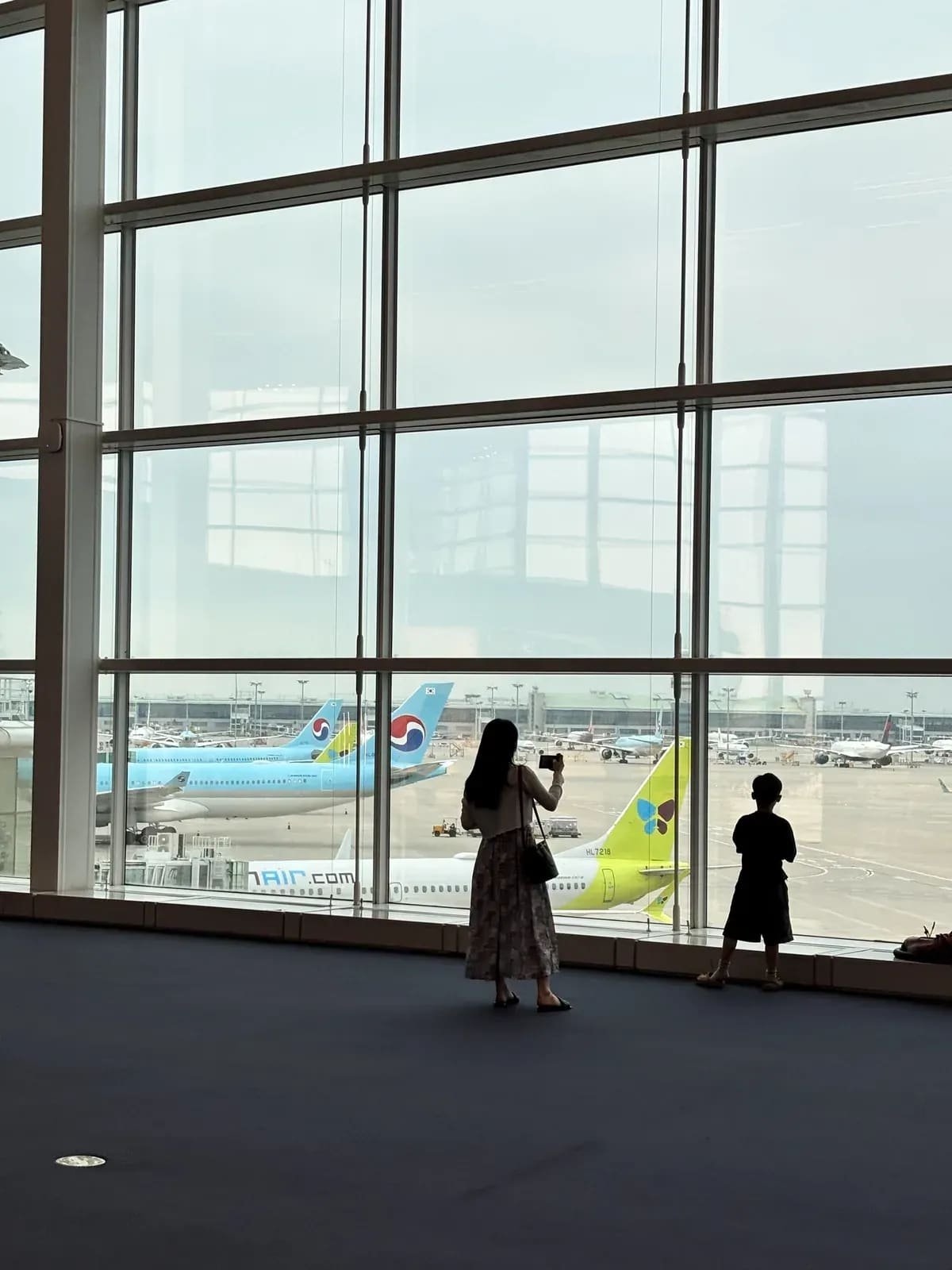
Table of Contents
Your First 24 Hours in Seoul at a Glance
| Time Slot | Key Focus | Critical Action |
|---|---|---|
| 08:00–09:30 | Airport Clearance | If required, submit an e-Arrival Card, clear immigration, and collect baggage |
| 09:30–10:30 | Connectivity & Currency | Activate eSIM, withdraw KRW cash, and get T-money or WOWPASS |
| 10:30–12:00 | City Transit | Ride the AREX Express Train or Airport Limousine Bus |
| 12:00–14:00 | Base Setup | Hotel check-in or luggage drop in Hongdae or Myeongdong |
| 14:00–18:00 | Cultural Sightseeing | Gwanghwamun Gate, first Korean meal, and Naver Map routing |
| 18:00–22:00 | Night Exploration | Yeouido Hangang Park, local street food, or a Kakao T ride |
Phase 1: Incheon Airport Arrival & Entry Routine (08:00–09:30)
Start with the airport formalities at Incheon International Airport (ICN).
- Arrival Declaration: If you are required to submit an arrival card, choose either the free official e-Arrival Card or the paper form. Online filing opens three days before arrival based on Korea Standard Time, and travelers who submit electronically do not need the paper form. K-ETA holders, Korean residence-card holders, and several other groups are excluded; check the official eligibility list for your status.
- Biometric Screening: Korea Immigration Service states that arriving foreign nationals aged 17 or older generally provide fingerprints and facial information, with statutory exemptions.
Last verified: September 24, 2026.
Before departure, check our Korea entry requirements guide so you know which forms apply to your trip.
Phase 2: Money, eSIM, & Transit Cards (09:30–10:30)
Before you leave the airport, take care of these three things:
- Get Online: If you bought an eSIM in advance, switch it on after landing. Incheon Airport’s current facilities directory lists SK Telecom, KT, and LG U+ roaming counters, but locations and operating hours differ by terminal and counter. Read our Korea eSIM vs. physical SIM guide, or compare Korea eSIM plans.
- Withdraw Some Cash: For a first-day buffer, consider withdrawing about ₩30,000 to ₩50,000 from an airport ATM that supports your card network. This amount is a planning estimate, not an entry requirement. Standard T-money purchase and top-up are generally cash-only when using a foreign-issued card.
- Pick a Transit Card: Choose a standard T-money card for public transport or WOWPASS, a tourist prepaid-payment card with a separate transportation-card balance. Check current top-up methods and fees before choosing.
Last verified: September 24, 2026.
Install the essentials from our Korea travel app guide, and compare card options in the Korea transit cards guide.
Phase 3: Traveling from Incheon to Central Seoul (10:30–12:00)
Getting from Incheon Airport to central Seoul is straightforward, with several reliable options. Choose the one that best suits your destination and luggage.
- AREX Express Train (43–51 Minutes): This non-stop train reaches Seoul Station in about 43 minutes from Terminal 1 and 51 minutes from Terminal 2. It works well if you are staying near Seoul Station, Myeongdong, Yongsan, or Dongdaemun. You can book an AREX Express ticket online before arrival.
- AREX All-Stop Train (About 59–66 Minutes): The all-stop train reaches Seoul Station in about 59 minutes from Terminal 1 and 66 minutes from Terminal 2, stopping at Gimpo Airport and Hongik University Station along the way.
- Airport Limousine Bus: This is convenient if you want to avoid carrying heavy luggage through stations or up stairs. Check the current route and stop before boarding because service differs by district and hotel.
- Private Airport Pickup: For a prearranged door-to-door ride, compare Incheon Airport pickup options. This can be useful for families, late arrivals, or travelers with several bags.
- App-Based Taxi: Kakao T can request Regular, Venti, and other taxi products where available, but Venti and other specialized requests may require automatic payment. Travelers who need documented overseas-card support can compare k.ride.
Last verified: September 24, 2026.
Compare every route in our Incheon Airport to Seoul transportation guide.
Phase 4: Hotel Check-In & Luggage Drop (12:00–14:00)
Most hotels and guesthouses in Korea set check-in around 3:00–4:00 PM.
- Luggage Storage: Many hotels can store luggage before check-in, but availability and fees depend on the property. Check the policy before booking.
- Subway Locker Alternative: If your accommodation does not offer luggage storage, automated lockers are available at many major Seoul subway stations. Large lockers can fill quickly, so have a backup location in mind. For station lockers, T-Luggage, and hotel-delivery alternatives, see our Seoul luggage storage guide.
Once you have chosen an area, compare Seoul hotel availability and rates.
Phase 5: First Meal & Afternoon Exploration (14:00–18:00)
Once you have dropped off your luggage, head out for your first Korean meal and an afternoon of sightseeing.
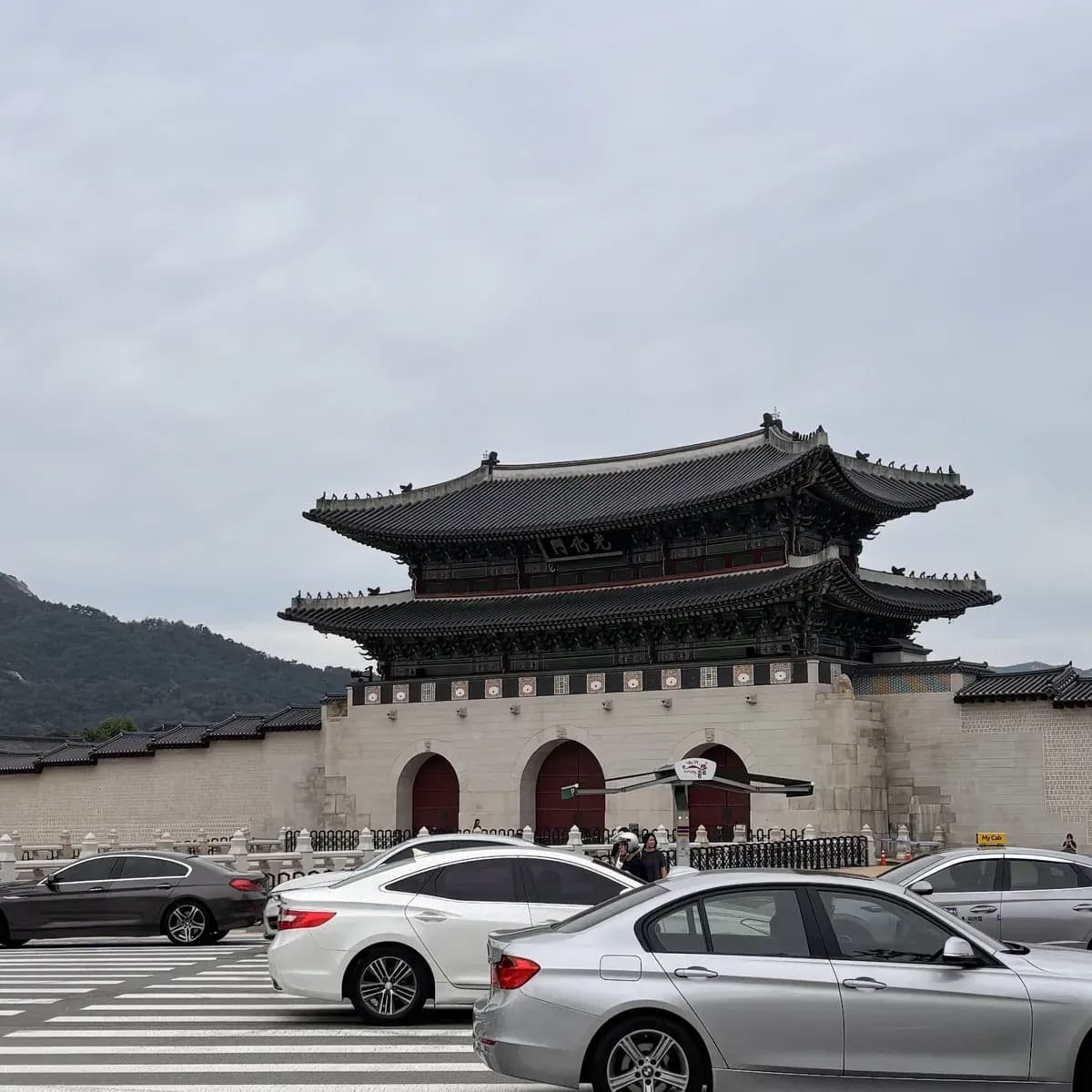
- Central Seoul Landmarks: Head into central Seoul to see Gwanghwamun Gate and Gyeongbokgung Palace.
- Navigation Tip: Naver Map currently supports English route search, subway information, and real-time bus information where available. Google Maps can provide useful place information, but route results may differ from local map apps.
- Dining Etiquette: In casual Korean restaurants and barbecue spots, look for a small call button on the table when you need a server. Tipping is not customary in Korea.
Last verified: September 24, 2026.
Phase 6: Evening Cityscape & Scenic River Walk (18:00–22:00)
For an easy first evening, take a riverside walk or stay close to your hotel:
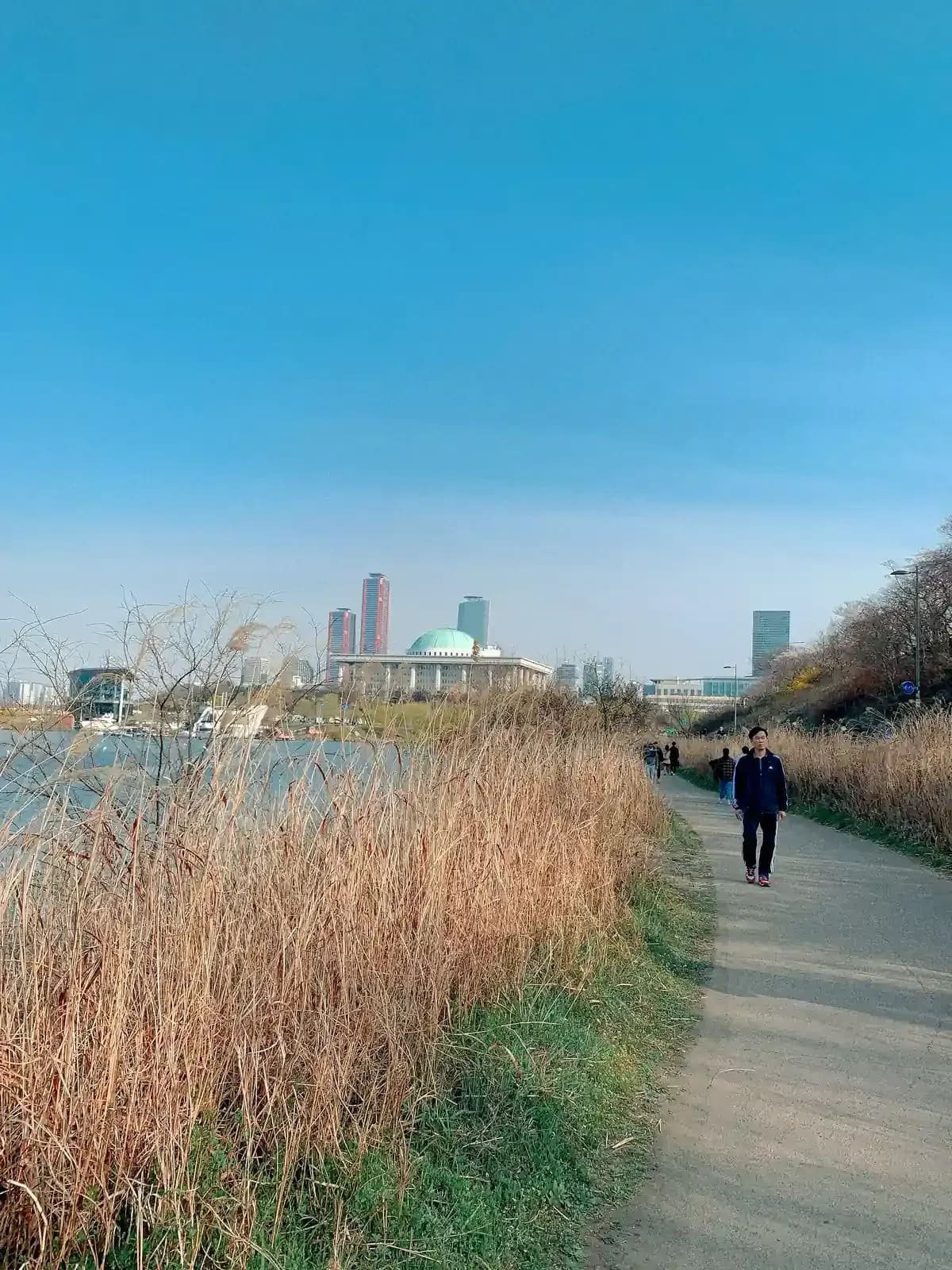
- Han River Walk: Walk along the riverside paths at Yeouido Hangang Park. Parts of the park have views of the National Assembly and the Seoul skyline.
- Street Food Stop: If stalls are open nearby, try hotteok, tteokbokki, or other Korean snacks. Availability varies by location, season, and time of day.
- Heading Back Safely: Last-train times vary by line, station, and direction, so check your route before heading out. In Kakao T, direct payment is available only when a General or Regular request shows that option; other taxi products require automatic payment. If Kakao T payment setup fails, use k.ride or ask your hotel to help call a taxi.
Last verified: September 24, 2026.
Essential Mistakes to Avoid on Day One
A few small checks can make arrival day much easier:
- Do not rely solely on Google Maps for walking directions or bus transfers.
- Keep some Korean won on hand if you plan to buy or reload a T-money card.
- Tap your transit card when entering and exiting public transportation.
- Check the correct subway exit number in your map app before leaving the station.
Frequently Asked Questions (FAQ)
What should I do first after landing at Incheon Airport?
After immigration, get your phone online and withdraw a small amount of Korean won if you plan to buy or reload a transit card.
How much cash do I need for my first 24 hours in Seoul?
About ₩30,000 to ₩50,000 per person is a practical first-day cash buffer rather than a fixed requirement. Major hotels, department stores, and many shops accept international cards, but cash is still useful for standard T-money purchase or top-up and for small vendors.
Last verified: September 24, 2026.
Is Seoul safe to explore late at night on day one?
Seoul is generally considered safe, and major commercial districts and transit areas are usually well lit and active at night. Normal precautions still apply: check your last-train time, stay in populated areas, and keep valuables secure.
The goal on arrival day is simple: get connected, reach your hotel, and leave enough time to rest. If you still have energy, add one nearby meal or a short walk instead of trying to cover too much of the city.
Official reference sources:
- Korea e-Arrival Card submission guide
- Korea e-Arrival Card eligibility guide
- Korea Immigration Service fingerprint system
- Incheon Airport facilities directory
- Korea Tourism Organization transportation-payment guide
- Korea Tourism Organization airport transportation guide
- Naver public-transit route guide
- Kakao Mobility paid-service terms
- Official k.ride site