Korean Restaurant Break Time & Last Order: Why “Open” Does Not Always Mean You Can Order
Korean restaurant break time can be confusing: the lights may be on, staff may be inside, and the door may look open even when the restaurant is not taking orders.
The usual reasons are break time (브레이크타임), last order (라스트오더 / 주문마감), a sold-out menu, or an early closing after ingredients run out.
So when a restaurant is important enough that you are crossing Seoul for it, do not stop at the closing time. Check break time and last order separately.
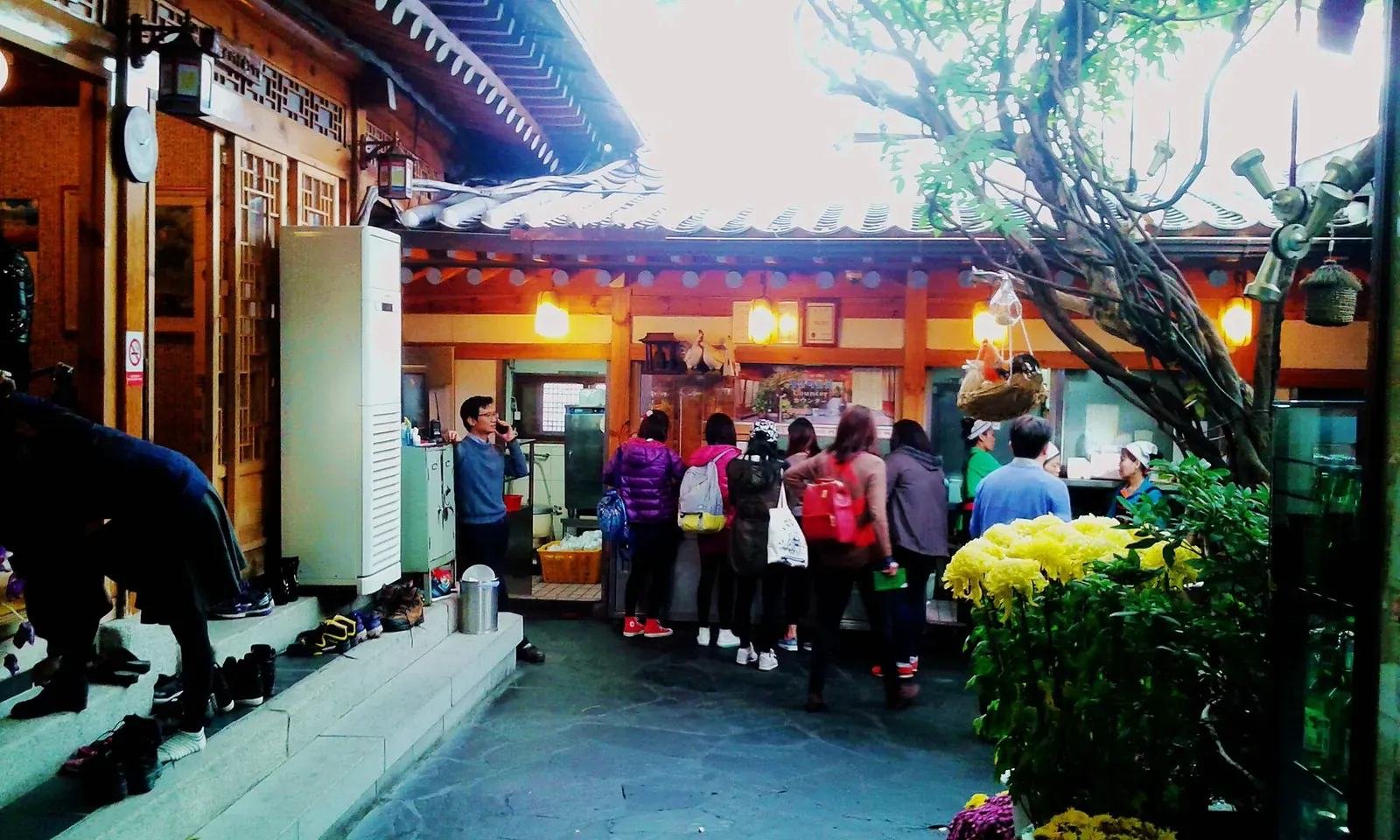
“Open until 9 PM” does not mean “order at 8:55 PM”
In Korea, opening hours, break time and last order are often listed separately — and you need to check all three.
For example, a restaurant can be listed as:
- Open 11:00–22:30
- Break time 15:00–17:00
- Last order 21:00
Those are three different rules.
If you are planning your day around one restaurant, last order is one of the times you need to check — not just closing time.
Korean Restaurant Break Time: Why the Door May Still Be Open
During 브레이크타임, staff may be cleaning, eating, preparing ingredients, or resetting for dinner.
You may still see:
- lights on
- staff inside
- chairs and tables set up
- the front door unlocked
That does not mean lunch service is still running.
Oomphy tip
If you arrive five minutes before break time, do not assume you can still sit down. Some restaurants stop accepting new tables before the official break begins because the kitchen has already closed lunch orders.
Last order can be much earlier than closing
Last order is usually written as:
- 라스트오더
- 주문마감
- Last Order
A restaurant may close at 22:00 but stop taking orders at 21:00 or 21:30.
Leave even more buffer for barbecue, hot pot or course meals, where the kitchen needs more time to finish a table before closing. If you are planning a late dinner, search the last-order time, not only the closing time.
“Sold out” can end the day early
Some Korean restaurants close early when the day’s ingredients are gone. You may see:
- 재료소진 = ingredients sold out
- 금일 재료소진 = sold out for today
- 조기마감 = closing early
- 영업종료 = service ended
If a famous specialty restaurant has one main dish and long queues, this can matter more than the timetable you saw on Google.
Naver Map is useful, but read the details
For a restaurant you really care about, check:
- Today’s listed hours
- Break time
- Last order
- Regular closing day
- Recent notices or posts
- Whether reservations or waiting registration are required
Do not stop after seeing the green “영업중” indicator.
A place can be technically open but already past lunch last order, fully booked, or preparing to start break time.
If you are still getting used to Korean place listings, the Naver Map English Guide explains how to search places, check details and navigate in English.
Lunch and dinner can have different last orders
Some restaurants publish separate rules for lunch and dinner.
For example:
- Lunch last order 14:00
- Break 15:00–17:00
- Dinner last order 20:00
So “I will arrive before 3 PM” may still be too late.
This is one reason not to schedule a famous lunch-only restaurant immediately after a palace, museum, or day tour unless there is enough buffer.
Weekends may follow different hours
Do not assume Saturday follows the weekday schedule.
Some places have:
- shorter Saturday hours
- no break time on weekends
- a different break time
- Sunday closure
- Monday closure
- irregular holiday notices
If the restaurant is a major part of your itinerary, re-check on the morning you go.
What to do if you arrive during break time
You have four realistic options:
- Ask what time dinner service starts.
- Register a wait if the restaurant allows it.
- Find a nearby café and return.
- Switch to a backup restaurant rather than waiting blindly.
If the restaurant uses a digital queue, read our Tableing Korea Guide before assuming the line starts at the door.
Useful phrase:
“Myeot si-buteo dasi yeongeophaeyo?” (몇 시부터 다시 영업해요?) — “What time do you open again?”
To check ordering rather than reopening, ask “라스트오더가 몇 시예요?” — “What time is last order?” If you are already there, “지금 두 명 식사 가능해요?” means “Can two people eat now?” Change the party size as needed; a listed last-order time does not guarantee that a table is available.
What to do if the kitchen is already closed
If staff say:
- 주문 마감됐어요 = orders are closed
- 라스트오더 끝났어요 = last order is over
- 재료 소진됐어요 = ingredients are sold out
there is usually no workaround.
Do not argue that the map says the restaurant closes later. The dining room can still be open while the kitchen has stopped accepting new orders.
If there is one restaurant you really do not want to miss
Re-check the restaurant on the day you go, preferably under its Korean name if the English listing looks incomplete.
Oomphy recommendation: aim to arrive about 20–30 minutes before last order rather than treating last order as your target arrival time. Give yourself more buffer for barbecue, set menus or a popular queue, and save one nearby backup.
That is more reliable than building the plan around closing time alone.
Once you get inside, our Korean Restaurant Ordering Guide covers call bells, water, banchan, self-service areas and the usual payment flow.
Official examples and references
Two VISITKOREA listings show why the separate times matter. For Daesungjip, the weekday break is 15:00–17:00, but lunch last order is already 14:30. On Saturdays, lunch last order is 14:00 and the break starts at 14:30. The listing also warns that service can finish early when supplies run out. Korea House lists lunch until 15:00 with last order at 13:30, and dinner until 22:00 with last order at 19:30. These are venue-specific examples; confirm the selected restaurant’s current notice before travelling.
- VISITKOREA — Daesungjip: break time, last order and possible early closure
- VISITKOREA — Korea House: separate lunch/dinner last-order times
- VISITKOREA — Korean Food & Restaurant Basics
Official restaurant examples checked October 17, 2026 against the linked VISITKOREA listings. The suggested arrival margin is Oomphy’s planning advice. No restaurant visit, phone call, queue registration or meal order was tested for this review.